

What are afflictions?
We certainly would not say that a cup or the mountains and rivers outside have afflictions; we can only say that our mind has afflictions. In other words, affliction is not a form (rūpa), but a mind (citta). It is the functioning of consciousness, a mental activity unique to sentient beings.

What should we do when mindfulness (smṛti) is insufficient?
Usually, when we speak of impermanence (anitya), we think of intense suffering such as death. But that is not the whole picture—pleasant and enjoyable things are also inherently impermanent.

How Should We Counteract Doubt in Spiritual Practice?
Of course it does. First, through study and reflection, superstition is dispelled and genuine understanding is established, thereby eliminating preliminary doubt. Second, by relying on spiritual teachers and joining a community of practitioners, and by persevering in practice until direct experience arises, doubts that occur in the course of practice are gradually dissolved.

Avoiding Misunderstandings of Meditative Equipoise in the Nature of Reality
We aspire to realize emptiness; and to realize emptiness means liberation (mokṣa). When we genuinely sense that phenomena are not truly existent, we have already tasted a hint of liberation. Yet to feel that external appearances are utterly devoid of inherent existence—to feel it in the most vivid and direct way—that is dharmatā-samādhi.

A Brief Overview of the Three Main Approaches to Realizing Emptiness
The most direct and supreme method for realizing emptiness is the “direct pointing to the nature of mind” found in Dzogchen and Chan. It does not elaborate complex theories. Instead, it allows you, in a single instant, to recognize: What is the nature of mind? Who is reciting the Buddha’s name?
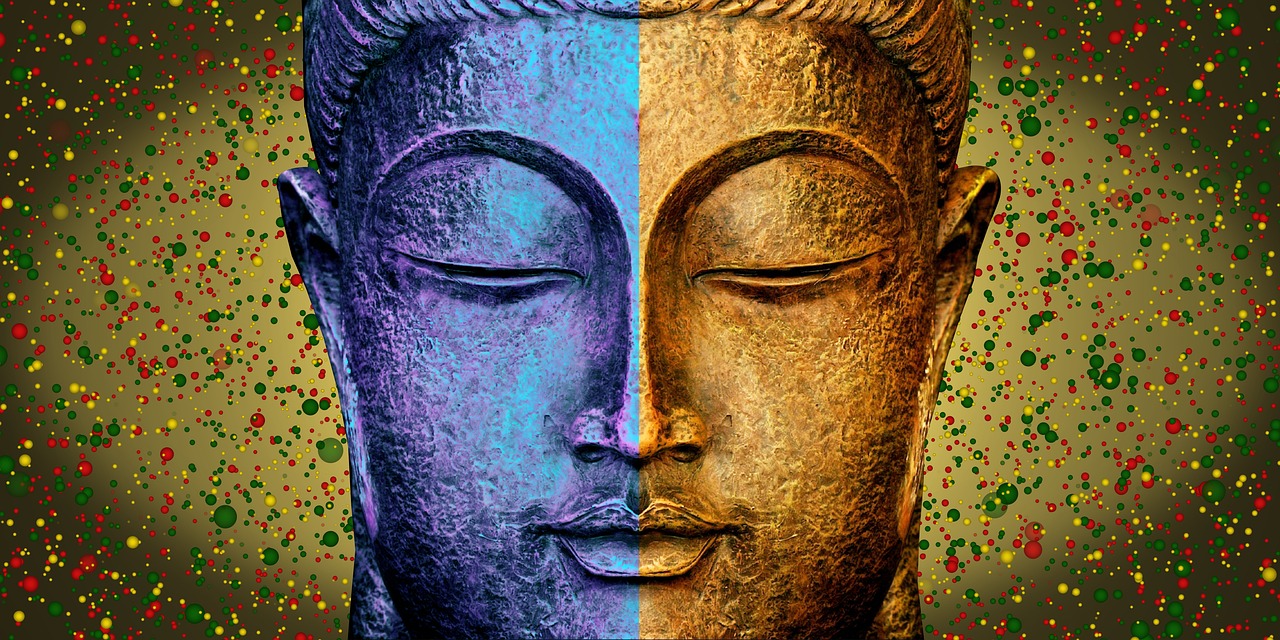
What is the right approach to practicing Buddhadharma?
To approach Buddhadharma safely and effectively, we should start by studying related texts and contemplating what we have learned from them. We can then deepen our understanding through meditative practice, both on the cushion and in daily life.

Do we truly have renunciation?
Many people who study Buddhism remain full of sorrow, pain, and anxiety. If you examine yourself deeply, down to the core, most of this is because there is no renunciation. Many people blame their Guru for not giving pith instructions or methods, but in fact, the Guru has already given everything.
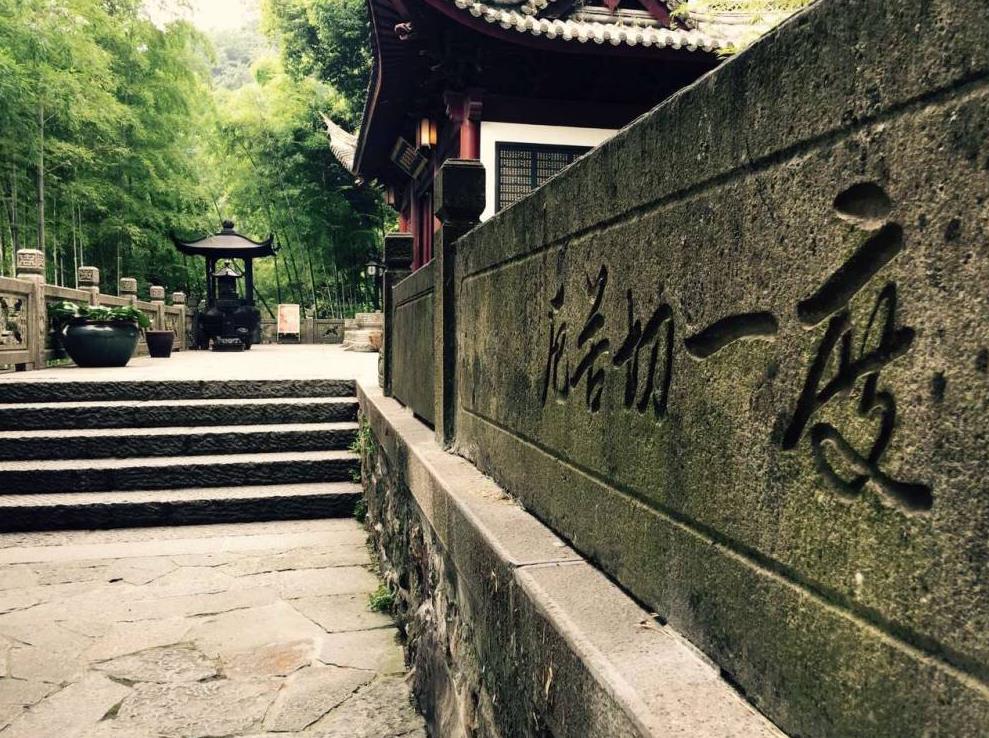
The Desperate View of Life
What does it mean to say that the course of life is doomed to be a tragedy? Materialism posits that our lives are determined by our material composition, and this outlook suggests that to a large extent, our fate is beyond our control.

The Impact of Objective Idealism
It is important to take our faith seriously as it has a significant impact on our lives. However, if we follow a belief without being able to fully support it with evidence, it may be considered mere superstition.

The Western Pure Land Is the Natural Manifestation of a Purified Consciousness
It is precisely because phenomena are dreamlike and illusory that we are able to experience happiness and suffering. If even this dreamlike quality were to disappear—if both pain and joy vanished altogether—only a single state would remain, and that state is called “ultimate bliss.” This is the true meaning of the Western Pure Land.

The Benefits of Generating Genuine Renunciation (Part Three)
If renunciation (nekkhamma) is strong, self-grasping (ātma-grāha) will naturally be weakened, and bodhicitta will arise more easily. The absence of renunciation indicates that self-graspingis still powerful.

Will Beautiful Things Also Bring Suffering?
We must genuinely feel that things which now bring happiness may ultimately become causes of suffering. But this is absolutely not despair. Rather, it is a sence of release—a loosening from attachment.

How Can We Generate Genuine Renunciation (Part Four)?
What is true freedom? It is emptiness (śūnyatā)! Although we cannot yet realize it fully, once we relinquish some degree of greed, anger, ignorance, arrogance, and doubt, we already gain a measure of freedom.

The Benefits of Generating Genuine Renunciation (Part Two)
A person with strong renunciation keeps his or her mind fully focused on the Dharma. Whenever something related to the Dharma arises, they pay close attention; other matters can be set aside. All their efforts are directed toward practice and liberation. Liberation overrides everything else, it is the most important thing!
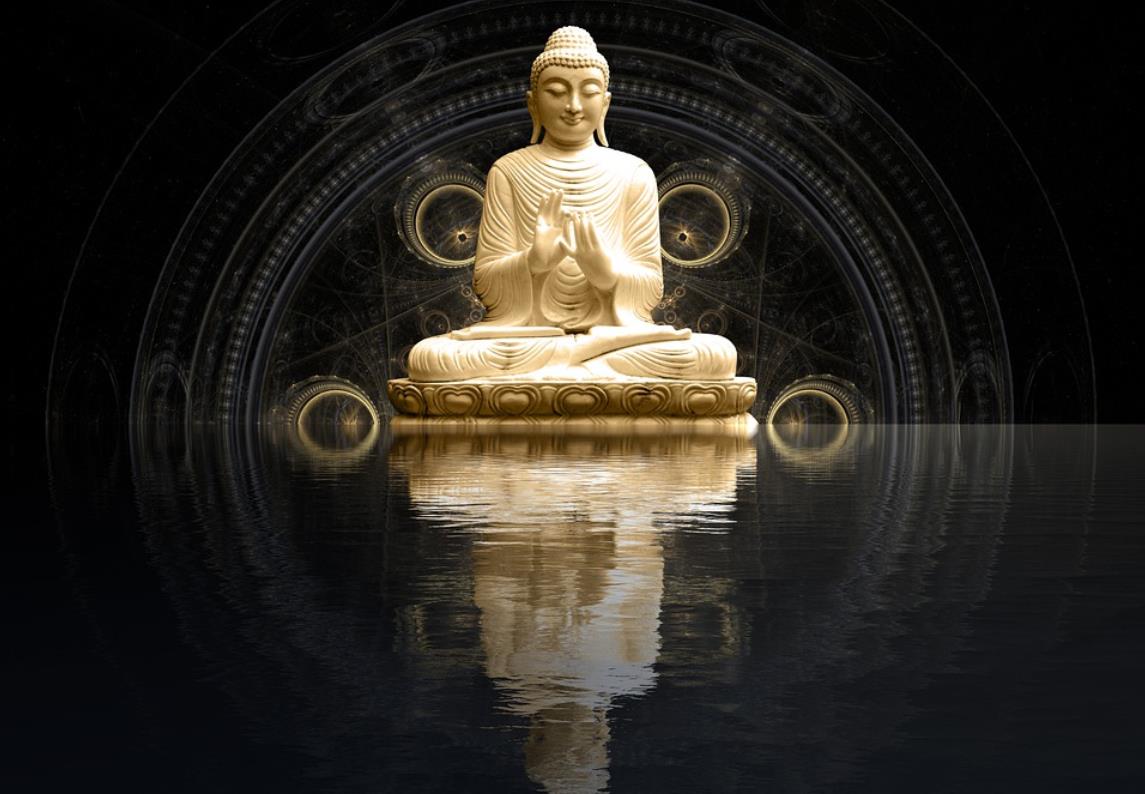
The Benefits of Generating Genuine Renunciation (Part One)
What does “leaving” really mean? It means that in our heart we clearly understand that everything is impermanent (anitya). It can depart from us at any moment. At the same time, when suffering arises, we also recognize that suffering is impermanent—it too will leave us. Therefore, we should not be so terrified of suffering, nor so attached to happiness. By cultivating such a mind—renunciation—we will gradually gain increasing freedom and ease.

The Benefits of Generating Genuine Renunciation (Part Four)
Thus, renunciation is not only of great benefit to the arising of bodhicitta; it is also an indispensable foundation for realizing emptiness. Why is this so? Because realizing emptiness is,in essence, the relinquishment of the self. When, through renunciation, we weaken self-cherishing and self-grasping, realization becomes much easier.

Why Are We Unable to Establish Stable Meditative Concentration? (Part 1)
Even among Buddhist practitioners, whose core values may be relatively stable, few practice communities can entirely escape the imprint of this age. Laxity in conduct, verbal disputes, and pointless conflicts often become major obstacles to the cultivation of samādhi.
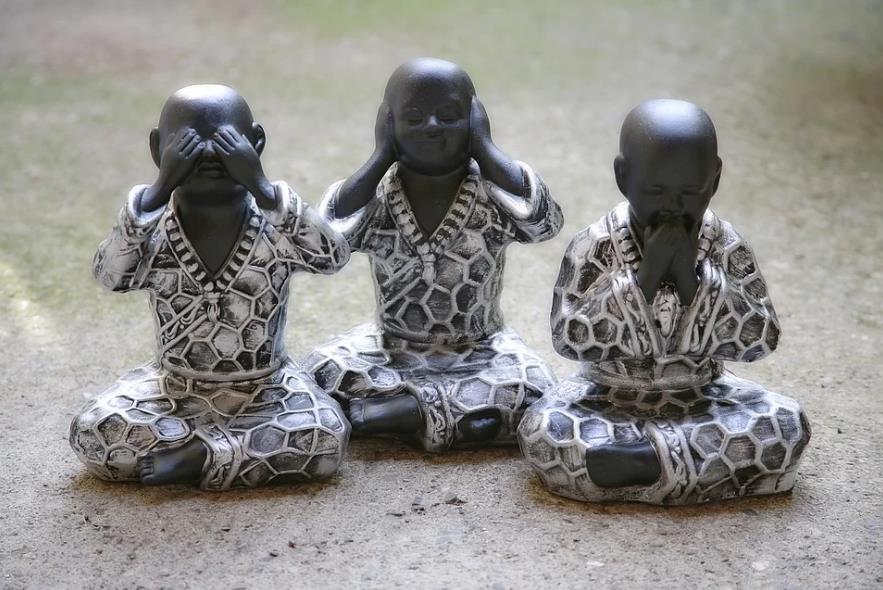
Why Do Chinese Mahayana Lay Buddhists Struggle with Renunciation?
So, what is renunciation? From the perspective of one’s mindset, it involves two aspects: first, a strong aspiration to break free from samsara; second, a strong desire to attain liberation. Simply put, it is the resolve: “I want to practice! I want to attain liberation!”

Investing Your Heart in These Things Yields No Good Fruit
Since we aim to cultivate renunciation, we must distance ourselves from worldly distractions that constantly occupy our minds and bodies, and we must do so extensively. Without detachment, liberation is out of reach.

How do we achieve awakening?
Finally, we must engage in meditative practice to actualize our understanding. We must cultivate single-pointed concentration and use specific methods to generate insight into the nature of reality. It is only through this process of study, contemplation, and meditative practice that we can gain an experiential understanding of Emptiness and achieve awakening.