

The Relationship Between External Material Conditions and Afflictions
Therefore, external objects such as mountains, rivers, and the earth have no direct connection with afflictions. The key to the arising of affliction lies in the mind: it is when the mind makes judgments about external objects and develops attachment (upādāna) that suffering is produced.

What are afflictions?
We certainly would not say that a cup or the mountains and rivers outside have afflictions; we can only say that our mind has afflictions. In other words, affliction is not a form (rūpa), but a mind (citta). It is the functioning of consciousness, a mental activity unique to sentient beings.

How to Define Renunciation ?
For the purposes of our current discussion, “renunciation” refers specifically to a mental attitude that seeks liberation and yearns to be free from the cycle of saṃsāra in the three realms.This is how renunciation is being defined here.
The Desperate View of Life
What does it mean to say that the course of life is doomed to be a tragedy? Materialism posits that our lives are determined by our material composition, and this outlook suggests that to a large extent, our fate is beyond our control.

What is Alayavijnana?
It is a state where the six senses completely stop functioning during meditation, such that the eyes cannot see, the ears cannot hear, physical sensations fade away, and the smell and taste perceived by the nose and tongue disappear. Consciousness ceases to function, and this is known as the state of Alayavijnana.

The Impact of Objective Idealism
It is important to take our faith seriously as it has a significant impact on our lives. However, if we follow a belief without being able to fully support it with evidence, it may be considered mere superstition.

The Western Pure Land Is the Natural Manifestation of a Purified Consciousness
It is precisely because phenomena are dreamlike and illusory that we are able to experience happiness and suffering. If even this dreamlike quality were to disappear—if both pain and joy vanished altogether—only a single state would remain, and that state is called “ultimate bliss.” This is the true meaning of the Western Pure Land.

Does eternal happiness exist?
When our mind awakens that all of this—including our body—is actually the play of dharmatā, the happiness and suffering produced by the "self" will vanish, leaving only "supreme bliss" and the "a single nature " (piṇḍa-graha). This is the significance of our realizing emptiness (liberation).

Why Do Chinese Mahayana Lay Buddhists Struggle with Renunciation?
So, what is renunciation? From the perspective of one’s mindset, it involves two aspects: first, a strong aspiration to break free from samsara; second, a strong desire to attain liberation. Simply put, it is the resolve: “I want to practice! I want to attain liberation!”

Investing Your Heart in These Things Yields No Good Fruit
Since we aim to cultivate renunciation, we must distance ourselves from worldly distractions that constantly occupy our minds and bodies, and we must do so extensively. Without detachment, liberation is out of reach.

The Reasons Why Genuine Renunciation Fails to Arise (Part Two)
When the true nature is seen, liberation is attained. But before you can see through appearances to their essence, you must relinquish the obstacles that prevent such insight. Ultimately, these obstacles are nothing other than attachment to saṃsāra.

Buddhism tells you:How the Mind Fabricates an Illusory World
The Buddhist worldview tells us that, in reality, all phenomena in this world arise from the discriminating activity of the mind. If that is the case, then our suffering and our happiness are also products of mental discrimination. And this gives us hope.

The Three Fundamental Questions on Which Buddhism Is Established (Part Three)
For a Buddhist who truly enters practice, that kind of joy is simply beyond words. In this very life, he or she will become deeply happy and fulfilled. If nirvāṇa truly exists, then by persevering one will discover the nature of mind and attain the joy of liberation.

Realizing emptiness (śūnyatā) brings only joy and no suffering.
Why must we realize emptiness (śūnyatā)? Because emptiness brings only joy and no suffering. Why is that? Because it is emptiness—“bliss” is the natural result of emptiness itself.

Establishing Future Lives Through Reasoning
If greed and self-grasping have not been eradicated, and one has not attained the fruition of an Arhatship, the habitual tendencies of clinging to “I” and “mine” will persist, linking to the final mind at death. This connection inevitably ensures a future existence, for when causes and conditions are complete, the result must arise.

The Three Fundamental Questions on Which Buddhism Is Established (Part One)
Only Buddhism teaches that every person is a Buddha, and that in the end you can realize the same omniscience as the Buddha. This is also theoretically self-consistent. That is precisely why one must study Buddhist theory.

Modern Thinkers on Buddhism
All of this is something Buddhism is capable of accomplishing. We can discuss the fundamental nature of the world: Buddhism holds that the foundation of the world is emptiness, and moreover, that emptiness can be directly realized.

The Three Fundamental Questions on Which Buddhism Is Established (Part Two)
To realize Madhyamaka through detailed analysis and direct experiential observation—that is what is called practice. At this point, your mind knows very clearly that, in practice, everything has “collapsed.” You can let the entire world collapse; nothing appears at all. What remains is only the fundamental essence that gives rise to everything. This is called awakening or enlightenment.

Only Two Possibilities for Life? An Inquiry into the True Meaning of Life(part3)
The idea that “when a person dies, it is like a lamp going out” is actually a very tragic view of life, because it implies that death renders everything about us meaningless. If there is rebirth within samsara, then we must reexamine the meaning of our lives, as well as rethink our worldview and values.

Only Two Possibilities for Life? An Inquiry into the True Meaning of Life(part2)
So what, then, is the source of the world? It can only be the mental, the mind. On the relative level, the law governing mind is that one moment gives rise to the next. Therefore, the first moment of consciousness in this life can only come from the previous life.

Only Two Possibilities for Life? An Inquiry into the True Meaning of Life(part1)
This is because science has no means of proving the nonexistence of rebirth, while research supporting the existence of rebirth continues to accumulate. In fact, Buddhism possesses not only a logically self-consistent theoretical framework, but also practical methods and verifiable conclusions that can confirm its claims through direct experience.

Worldly goals are already hard enough to accomplish,let alone becoming a Buddha
If you truly want genuine accomplishment, you really must renounce all worldly attachments in this lifetime. Some people want to give up nothing yet grasp everything—clinging to greed, hatred, and delusion—and still aspire to become a Buddha and transcend life and death. This is obviously sheer foolishness.
The Interrelationships Among the Bodhisattva’s Six Pāramitās (Part 3)
Through contemplation, experiential feelings arise; once such feelings have arisen, one enters concentration within those feelings. This is what is called the practice of one-sided emptiness. Eventually, the experience of emptiness itself is relinquished, the nature of mind is clearly recognized, and one then enters Dharmatā-samādhi.
The Merit and Defect of Monotheism
While Western philosophy examines the world through the lens of the six senses, Buddhism focuses on meditative introspection. This introspection can lead to a profound transformation of the mind.

Why do the ways ordinary people seek happiness inevitably lead to suffering?
The Buddha taught that when you cannot obtain what you seek, that is the suffering of unfulfilled desire. When you do obtain it, it will eventually change and you will be unable to hold onto it, giving rise to the suffering of separation from what one loves. In the process of grasping, you want to take it and so do others.This is called the suffering of encountering what one hates.

How can one truly believe in Samsara?
To efficiently develop Renunciation and Bodhicitta, we need to go beyond basic studies. Some intellectuals approach Buddhism thoughtfully, and their approach is highly recommended. They do not blindly accept what has been said about Buddhism; instead, they question the credibility of Buddhist doctrine by studying fundamental theories such as Madhyamaka and Cittamatra.
Why Is Buddhism Praised by Philosophers and the General Public?
Ultimately, the reasons Buddhism is praised by the world can be distilled into two qualities: wisdom and compassion. Because of wisdom, its teachings are profoundly integrated and complete; because of compassion, it is non-contentious.

Why do we compare Buddhism with other philosophies?
In any case, comparing the Buddhist philosophy we study with other religious and philosophical systems brings tremendous benefits to both our understanding of the ultimate aim and our spiritual practice.
Is it right to pursue worldly blessings?
It is acceptable to pursue worldly happiness, but we must recognize that it is not the ultimate form of happiness. If we seek ultimate happiness, we must practice Buddhadharma until we attain liberation.

The Three Principal Aspects of the Dharma Path
The Three Principal Aspects of the Path offers a practical methodology for lay practitioners in modern times who wish to attain realization quickly without reading extensive Buddhist texts. To begin, we must cultivate Renunciation and Bodhicitta and develop a correct understanding of Emptiness. Once we have established this foundation, we can practice with diligence and devotion to achieve realization within this lifetime.

This kind of happiness is extremely deceptive
Most people obtain happiness by relying on external stimulation. This overall approach is fundamentally wrong. As a result, the range of available stimuli becomes narrower and narrower, the capacity to feel pleasure—the “faculty of sensation”—becomes weaker and weaker, and eventually happiness disappears altogether.

Buddhist Theory and Practice
Buddhist theory encompasses both teachings and practices. Teachings form the theoretical aspect of Buddhism, while practices provide the practical means to fully comprehend Buddhist theory, such as through meditation.

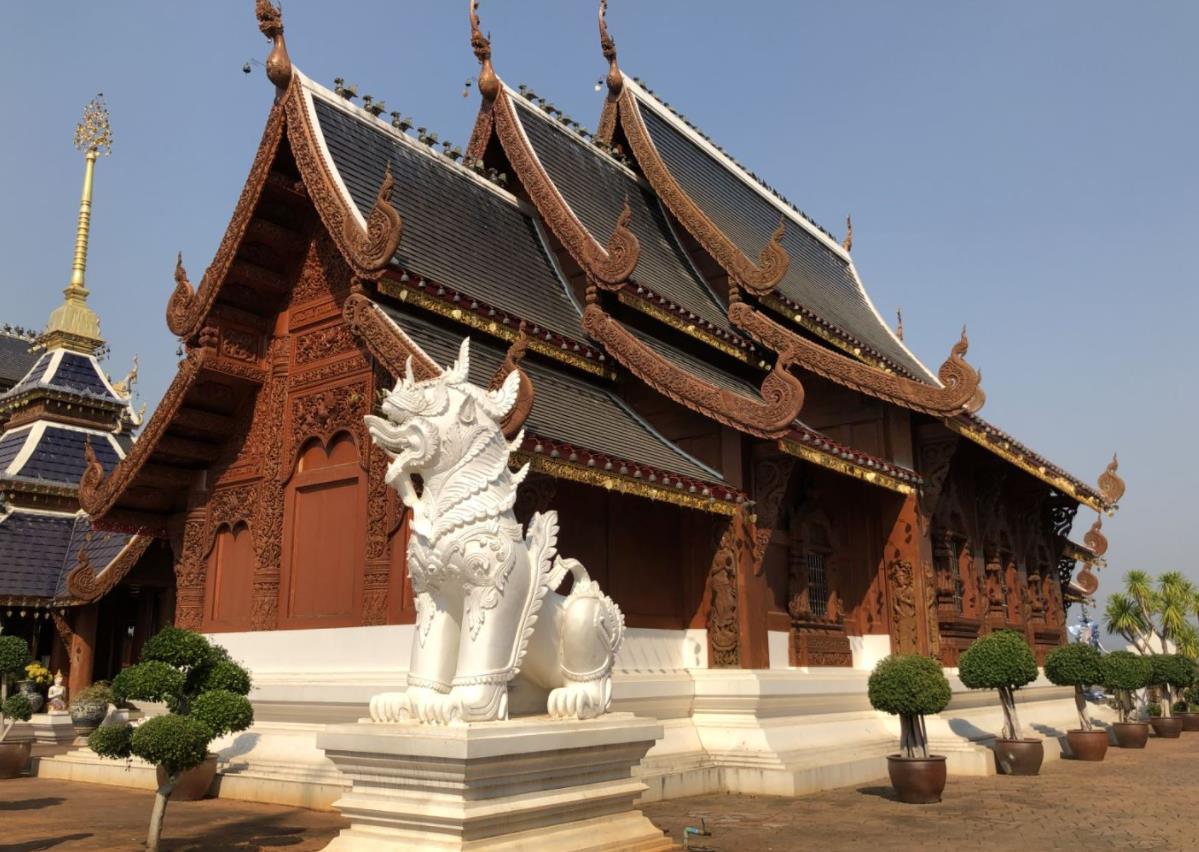
The Overview of Chinese Buddhism
In China, there are eight lineages of Mahayana Buddhism, each choosing their own scripture(s) from the Twelve Categories of Buddhist Scriptures for study and practice.
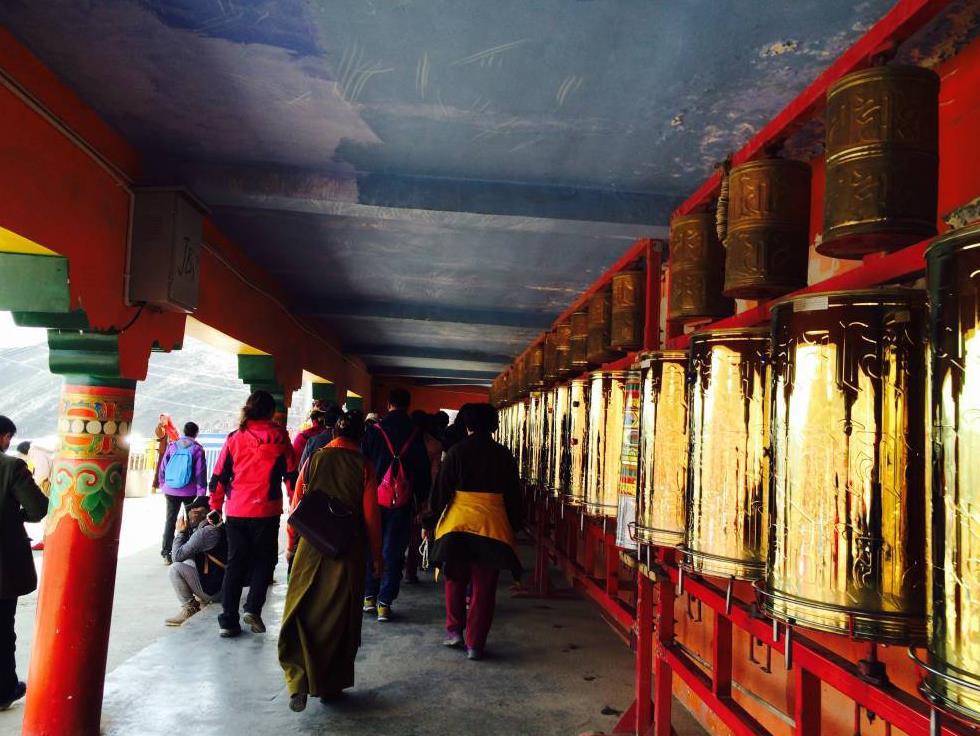
The Overview of Tibetan Buddhism
The Tibetan language has the most extensive collection of Buddhist scriptures, which are commonly referred to as Kanjur and Tengyur. The Kanjur comprises the teachings directly delivered by the Buddha, while the Tengyur includes commentaries on the Buddha's teachings written by Bodhisattvas and Indian masters.

Two Methods of Cognition
To understand the world around us, we rely on our worldview - how we perceive and make sense of things. This perception is influenced by both the means through which we perceive the world and the actual content of our perceptions.

What Is Your Worldview Like?
Have you ever thought about your own worldview? It's an essential question to consider because our worldview greatly influences how we behave, think, and ultimately shape our lives.
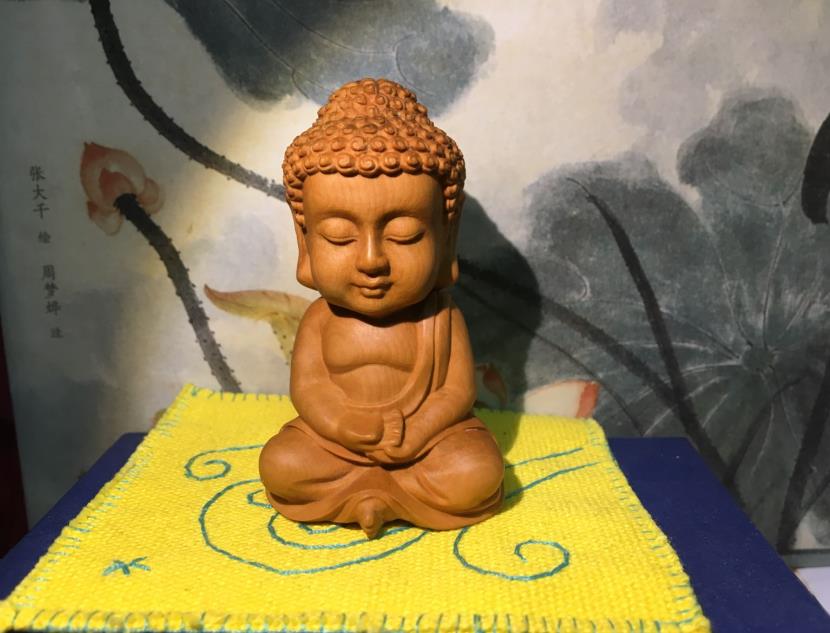
Three Major Questions in Buddhism
Buddhism is the only philosophy that posits that every sentient being possesses the Buddha nature and has the potential to attain omniscience, just like the Buddha. This statement is internally consistent within the framework of Buddhist philosophy. To understand why this is the case, it is necessary to delve into the fundamental tenets of Buddhism.

Three Common Worldviews
As previously discussed, humans perceive the world through two means: direct valid cognition and inferential valid cognition. These methods are also utilized in the field of science.

The Perceived World and the Worldview
What is the origin of dreams? According to Buddhism, dreams originate from the alaya-vijnanam, the storehouse consciousness where an immense amount of information is stored as karmic traces or seeds.
What Are the Differences Between Buddhism and Eastern–Western Philosophy?
By contrast, the emptiness taught in Buddhism is something that every living person can directly realize, provided their accumulations of merit and wisdom are sufficient. Therefore, Buddhist philosophy is the only philosophy that can truly be fulfilled; it is a philosophy in which direct perception and inferential cognition understanding are consistent.

The Impact That Buddhist Worldview Has on Life
Buddhism has many more positive impacts on our lives beyond what has already been discussed. With practice, we can gain complete control over our emotions, improve our ability to comprehend things, and achieve a more inclusive and calmer mind.

The Interpretation of the Three Main Questions in Buddhist Philosophy
Buddhism does not rely on empirical evidence in the way that science does because there is no possibility of mutual proof. Just as no one can truly know whom you love except for yourself, enlightenment involves an internal knowing (self-proof) that is unique to each individual.

The Eastern Philosophy in Decline
In fact, learning Buddhism involves two parts: establishing the correct worldview theoretically and realizing it through Dharma practice. Buddhism is the only worldview that can be truly realized through dedicated practice.

The Impact of Materialism
Materialism is commonly considered the dominant and correct worldview, but both in theory and practice, materialists are unable to substantiate their claim that "matter is the fundamental substance of the natural world, and spirit is the result of material interactions."

Eight Kinds of Suffering in The Mundane World
It's common to see successful individuals turning to Buddhism later in life, as they come to the realization that the things and experiences they once believed would bring them lasting happiness have failed to meet their expectations. They begin seeking a deeper understanding of happiness that goes beyond material possessions and external achievements.

Materialism Is Not Science
It is important to emphasize that materialists cannot provide theoretical or practical proof that "matter is the fundamental substance of the world in nature." Some may ask if science is a form of materialism, but it is not.
Differences in The Two Observational Methods
The approach of Eastern philosophy differs from that of Western philosophy. The latter seeks to expand human perception to observe the world, while the former turns off the first five senses and consciousness to achieve the same end.

Buddhism Is Not Subjective Idealism
Buddhism strives to guide individuals towards the ultimate truth by emphasizing the use of reasoning and understanding of its teachings without hindrances. It stands against the idea of Buddhism being an unattainable or detached concept.

Views Can Be Wrong, but Karma Never Is
Sometimes, the karmic consequences of misrepresenting Buddhist teachings can be far worse than taking a life. Killing ends a life, but corrupting someone with incorrect Dharma harms their wisdom-life. Comparing the two, harming one's wisdom-life is more severe and terrifying, with much longer-lasting effects.

The expression of view primarily deal with inferential cognition
It's crucial to understand that expressions of view are purely intellectual. They don't necessarily relate to one's spiritual attainment or moral character.

Don’t Be Misled by Feel-Good Spiritual Advice
Listeners should be very cautious about this as well. Not only should they discern the views and methods of practice, but they should also understand that the same language can express different experiences and states of realization.

Why Brain-Based Cognition Inevitably Generates Attachment to Self and Phenomena?
Brain-based cognition inevitably believes that once the brain dies, life ends, and thus doesn't believe in samsara. Since brain-based cognition cannot see the function of the mind stream, it only believes in cause and effect on the physical realm, not in the causality of the mind.
True Proof Arises Through Practice: Individual-Based Self-Knowing
As these illusions dissolve, we see the true Vajrasattva—the formless, featureless essence, the real emptiness where ‘all phenomena are illusory.’ Beyond illusion lies the essence. And what follows this revelation? The realization that karmic obstacles inherently lack substance—true repentance.

The Transformative Path of Consciousness-Based Cognition
When you directly realize the nature of Emptiness through your own mind, you'll no longer believe that brain death marks the end of life. Instead, you'll develop a strong conviction in the cycles of rebirth and the potential for liberation.

The Six Senses Are Invalid Cognition: “Direct Perception” as a Human Convention
What we consider as direct perception through the six senses is a convention. For instance, what a normal human eye sees is defined as direct perception. However, from the ultimate Buddhist perspective, all six senses are invalid cognition.

Mind-Based Cognition: The Brain and Senses as Mere Instruments
Today's quantum mechanics has greatly altered our understanding of space-time, but it hasn't led to a massive qualitative change in our cognition.

From Probability to Causality: The Fundamental Limits of Scientific Cognition
Constrained by the subject and the method of observation, we cannot see the deeper reasons for the emergence and development of things, so we don't believe in the law of causality.

How can we simply explain the existence of samsara through Madhyamaka?
Although we can directly perceive matter, analysis—and even modern science—has already shown that matter lacks real substance and does not possess the capacity to propel samsara or generate phenomena.

The Inherent Limits of Brain Cognition
The human brain has inherent limitations. We attempt to overcome these by altering our environment and using tools like mathematics and logic. However, this approach rarely leads to fundamental changes in our perception.

Consciousness-Only: Transforming the World Begins with Transforming the Mind
The main changes should be made to internal conditions: on one hand, accumulating merit and purifying obscurations through the brain and senses, and on the other hand, halting brain and sensory activity to shift the direction of cognition.

Cognitive Transformation, Supernatural Powers, and the Causality
Thus, cognitive abilities change, the perception of space and time shifts, resulting in supernatural powers; values change, leading to the belief in the law of causality.

Matter Cannot Account for Cognition: From the Brain to Alayavijnana
Therefore, the fusion of sperm and egg is merely one possibility, an external manifestation of the Alayavijnana preceding the next life. This understanding of rebirth within consciousness cognition does not equate the union of sperm and egg with the production of consciousness.

After Denying Matter and God, What Remains?
What underpins all phenomena? If not matter, then perhaps God or our own minds. Thus, the philosophical proposition that consciousness can generate everything aligns seamlessly with Madhyamaka. When we dismantle all constructs, matter loses its solidity; it emerges solely from the mind.

Does cognition originate from matter?
Imagine middle school textbooks teaching us that the material world is always in motion. According to this perspective, spirit emerges as a result of this dynamic matter. But here’s the catch: this philosophical stance can be quite unsettling—it’s essentially considered the root of all evil!

The Fundamental Difference Between Brain Cognition and Consciousness Cognition
Moreover, since we acknowledge that consciousness is the essence, by turning back, as long as we find our own consciousness, we find the essence, we find the ultimate truth on which this world is established.
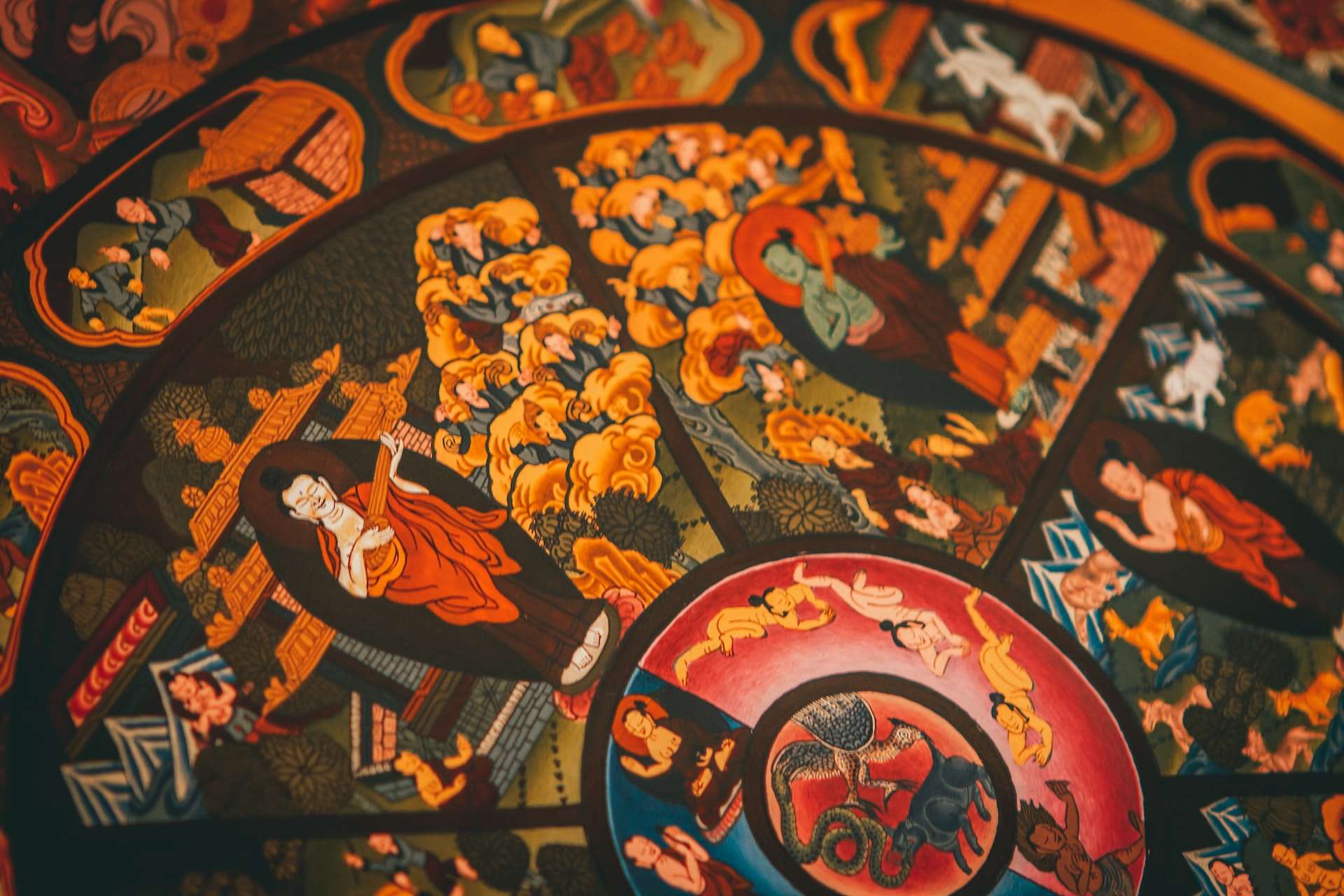
Empirically Refuting Materialism Through Awakening and Samadhi
If we want to demonstrate that matter is an illusion and consciousness is fundamental, what are the available methods? Traditionally, in Buddhism, there have been two main approaches: awakening and meditation.

Why the Buddhist concept of Mind-Only Is Not philosophical idealism?
The Mind-Only doctrine in Buddhism should not be conflated with the idealism of Western philosophy, as the term “mind” carries distinct meanings in each.

Seeing, Hearing, Measuring—Yet Never Truly Knowing
This has led some philosophers to argue that humans might never truly know the true nature of the material world.

Why Buddhism Is So Often Misunderstood: A Call for Discernment
We should approach miraculous stories and legends about Buddhism with caution. Many are products of imagination and present a narrow view of the tradition. Buddhism's depth and breadth are truly vast - even after decades of study, one might feel they've only scratched the surface.

Why Human Cognition Cannot Penetrate the Essence of Matter?
In other words, if we accept that the essence of cognition is the brain, which is caused by the movement of matter, we will never find the essence. Philosophically, failing to find this essence results in a dichotomy. Claiming that matter is the essence while being unable to identify the essence of matter is inherently contradictory.

Why Scientific Instruments Still Cannot Reveal Ultimate Matter?
The quest for the smallest particles, whether through tools or theoretical models like strings and superstrings, is hindered by the fact that our methods of detection inevitably affect the very matter we seek to understand. Thus, the challenge remains to discern and explore the true essence of matter.

Why “All Phenomena Arise from the Mind” Is Hard to Truly Believe?
The external environment and light are both movements of the mind, a formation of causes and conditions, all without substance, and the essence of everything belongs to the mind, hence the phrase “all phenomena arise from the mind.

The Material Basis of Thought and Sensory Cognition
The cognition of the five senses is known as direct cognition. The functioning of these senses depends on specific material mediums and the support of mental consciousness, or brain activity.

What is materialistic cognition?
Materialism suggests that matter, in and of itself, lacks cognitive properties. Yet, when basic matter engages in movement and combination, it gains the capacity for cognition.

Outward Is Consciousness, Inward Is Wisdom
What, then, is this “wisdom”? In other words, it is when consciousness no longer discriminates outwardly but instead turns inward to discover what its ultimate ability to discriminate is. Gradually, one will understand: emptiness is indeed luminosity, the Tathagatagarbha, the Dharmata.

The Interrelationships Among the Bodhisattva’s Six Pāramitās (Part 2)
Of course, true patience is to abide in prajñā itself. At that point, there is no need to struggle against afflictive emotions; one simply does not depart from prajñā. For the nature of them is itself prajñā, and they can only ultimately dissolve into prajñā.

What is the highest level of cognition?
Among all religious forms of cognition, it is only Buddhism that can truly achieve the unity of “cognition” and “the object of cognition”.
What are the fundamental differences between Western and Eastern philosophy?
One prominent distinction between Eastern and Western philosophy lies in the approach to cognition: while Western philosophy relies on the senses, Eastern philosophy emphasizes the cessation of the senses for transcendent cognition.

Why are there so few people who achieve spiritual enlightenment?
It is challenging to achieve mass enlightenment through introspection because the results of this path are often self-validating.
Is it true that supernatural powers never make mistakes?
Unlike logical reasoning, math, or science, siddhis are not products of thought, but rather a form of direct awareness. However, this direct experience is not always perfect. It can be flawed or misinterpreted.

The path of spiritual practice is often accompanied by hardships
We often wish each other “May you be filled with Dharma joy,” but it may not come swiftly. Conversely, “Dharma suffering” remains a constant companion on our journey.

The Interrelationships Among the Bodhisattva’s Six Pāramitās (PART 1)
If we seek liberation and aspire to become a true bodhisattva—or ultimately a Buddha—we must cultivate these six practices. By training in the first five, we lay the conditions for the arising of prajñā.

Can one truly find liberation through online spiritual workshops?
These workshops and courses might give you a temporary feel-good boost, but they are not the same as true liberation.

How Sincere Are the Vows You Have Made?
All Dharma practice is fundamentally for the cultivation of the mind, and it begins with a choice: to become a Buddha for the benefit of all sentient beings.
It is difficult to fully and deeply understand the world through technology
Due to the limitations of the cognitive tools and the incomplete logical parameters, we are limited in our ability to draw comprehensive conclusions about the material world.

No matter how advanced the tools are, they can never replace the humans
Because the essence of cognition still falls within the domain of the human six-sense organs, it is difficult to bring about a fundamental shift in the results of human cognition.
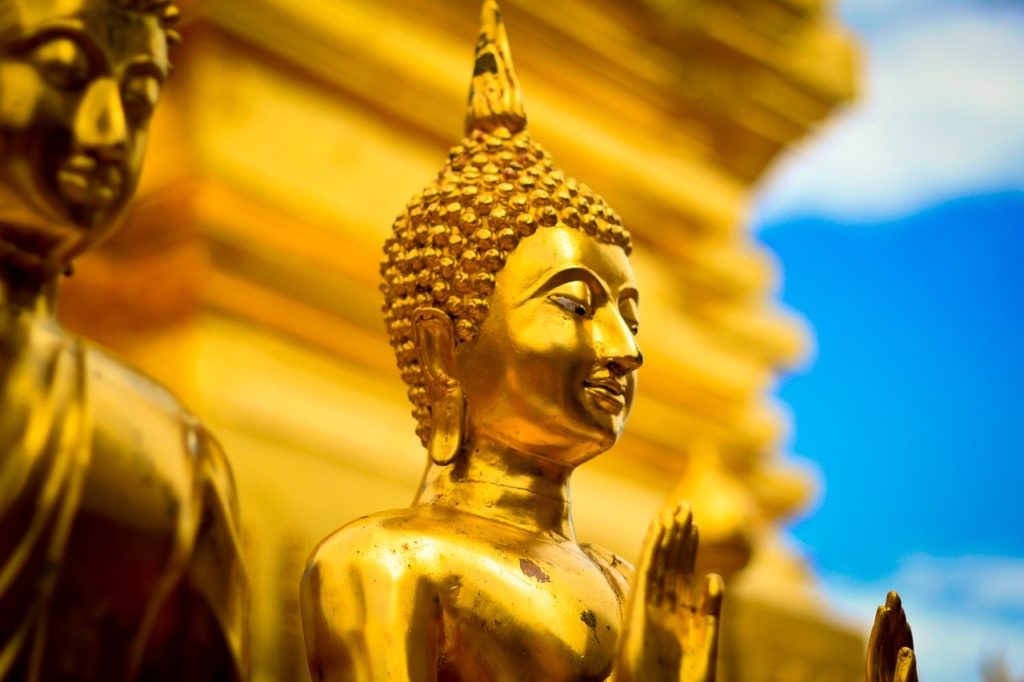
Why We Fail To Cultivate Forbearance?
As Master Hanshan observed, practice requires great resolve, great diligence, and great forbearance. This, and this alone, is what genuine “mind cultivation” truly means.

Why an Arhat’s Four Immeasurables Are Not Bodhicitta?
As for the Arhat, since the Four Immeasurables are not equivalent to the Bodhisattva’s conventional bodhicitta, Arhats lack the intense aspiration and clear vision to lead all beings to Buddhahood.

The True“Lying Flat” Turns Out to Be a Dzogchen Pith Instruction?
In fact, the practice of Dzogchen is exactly like this: when the nature of non-doing is recognized, although nothing is done, nothing can go wrong.
Why are humans the ruler of the Earth?
Faith-based cognition, thinking-based cognition, and logical cognition are prerequisites for human beings to pursue the truth.
What is Thinking-based cognition?
Thinking-based cognition is the conclusion that humans draw from their sense organs and mental consciousness through coarse thinking.
What is logical cognition?
To deny that mathematics is the foundation of science is to deny all of the existing cognitive methods of mankind.
What is faith-based cognition?
Grounded in cultural traditions or religious doctrines, faith-based cognitions offer personal lenses through which humans interpret reality.
Do we really share a common world?
Yogacara does not acknowledge the inherent existence of matter, but we do the opposite way.Spiritual practice aims to change these misconceptions.

Why is Buddhism the only Philosophical System that is Logically Self-Consistent?
therefore, once these two forms of grasping are removed, cognition naturally becomes complete—resulting in the omniscience of a Buddha

Three Essential Qualities for a Buddhist Practitioner
A Buddhist practitioner should have three qualities: A broad-minded disposition,A spirit of self-sacrifice and Perseverance—the resolve to carry through to the end.

Manipulating Others like Zhen Huan, or Mastering Yourself like a Bodhisattva?
What, then, occupies the mind of a Bodhisattva? Their victory lies solely in the awakening and realization of sentient beings.

What is direct valid cognition?
The objects of the first five-sense consciousnesses all belong to the nature realm. If the organs are healthy, the results of perception are direct and valid.

What are the cognitive objects and results of mental consciousness ?
The results of cognition fall into three categories: direct valid perception (what you perceive is what it is), inferential valid perception (derived from logical reasoning), and non-valid perception (arising from logical fallacies or mental constructs).

The fundamental cognitive approaches that humans use to perceive the world
Beneath every human action, cognition reigns as the hidden king. By learning to navigate this inner landscape, we can attain liberation and uncover the ultimate truth.

Why Do We Feel a Sense of Scarcity?
If one can relinquish the dualistic cognitive habit dominated by grasping at a personal self, the mind will naturally abide in non-attached joy and effortless freedom

Does cognition itself have essence?
If Materialism were to acknowledge that cognition itself has an essence, in that curious scenario, then Buddhist practice methods and principles in physics would even start echoing each other.
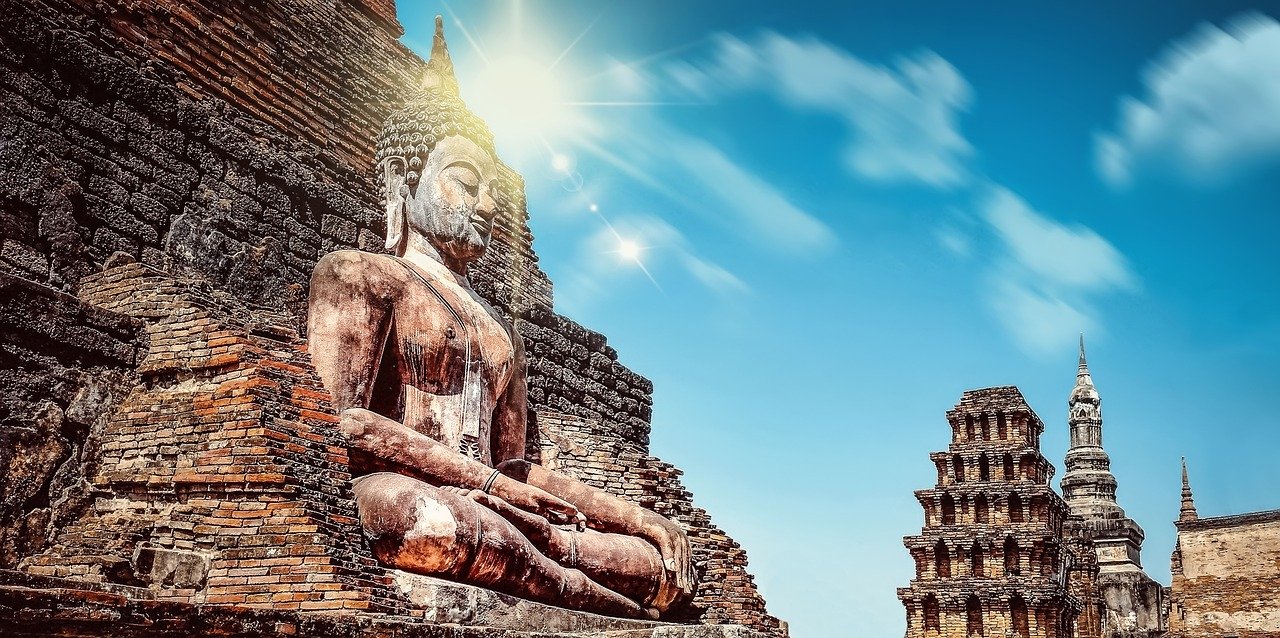
The different cognitive approaches of Mere Emptiness and Dzogchen
It is clear that the cognitive approach is extremely important. Our spiritual practice lies in honing our cognition.

"Cognizer" and "Cognized"
"cognizer" refers to sentient consciousness,and "cognized'' refers to the objects of the mind.

The differences between Buddhist Yogacara and secular philosophical idealism
The mind explored in Buddhism encompasses aspects unaddressed by secular philosophy, such as Alayavijnana, the base consciousness, an important aspect of the mind in Buddhism.

Is Your View of Karma Designed for Others?
All of our internal thoughts and bodily external actions — body, speech, and mind—affect our future and bring about corresponding results.
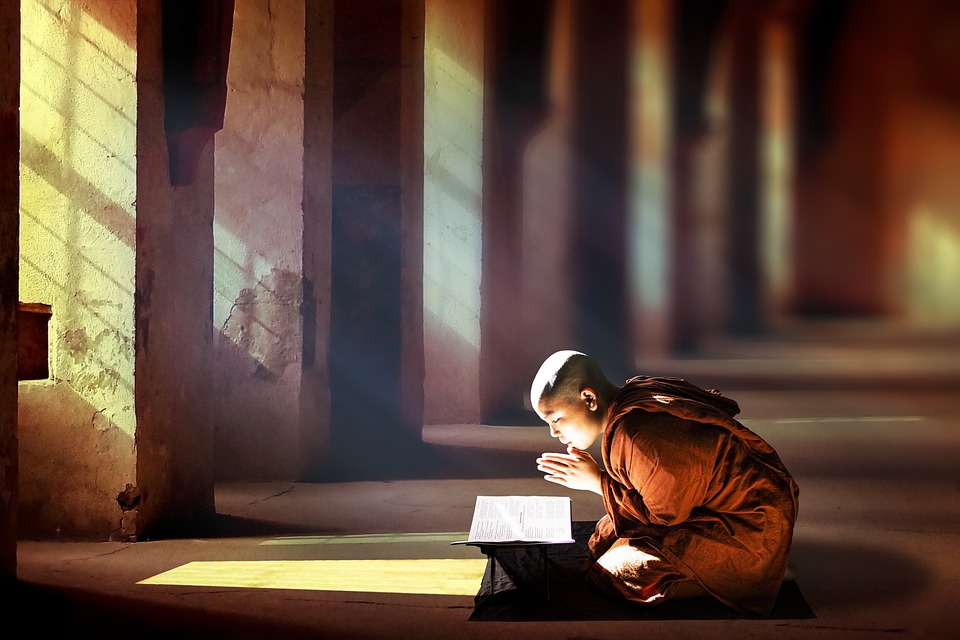
What, for an individual being, is the greatest form of suffering?
Therefore, for every sentient being, the greatest suffering is not death itself, but failing to recognize the nature of mind, failing to understand the three Mahāyāna views, and not knowing the true nature of life.

What impact does materialism have on modern society?
A completely materialistic person who deeply and comprehensively believes in the survival of the fittest will behave in a very terrifying way.

Could AI ever think like us?
If AI could have human-like innate cognitive abilities, it would shake up the very core of Buddhist teachings, maybe even rewrite them entirely
Tibetan Buddhism
This part explains the four lineages of Tibetan Buddhism, their theories and practice methods.
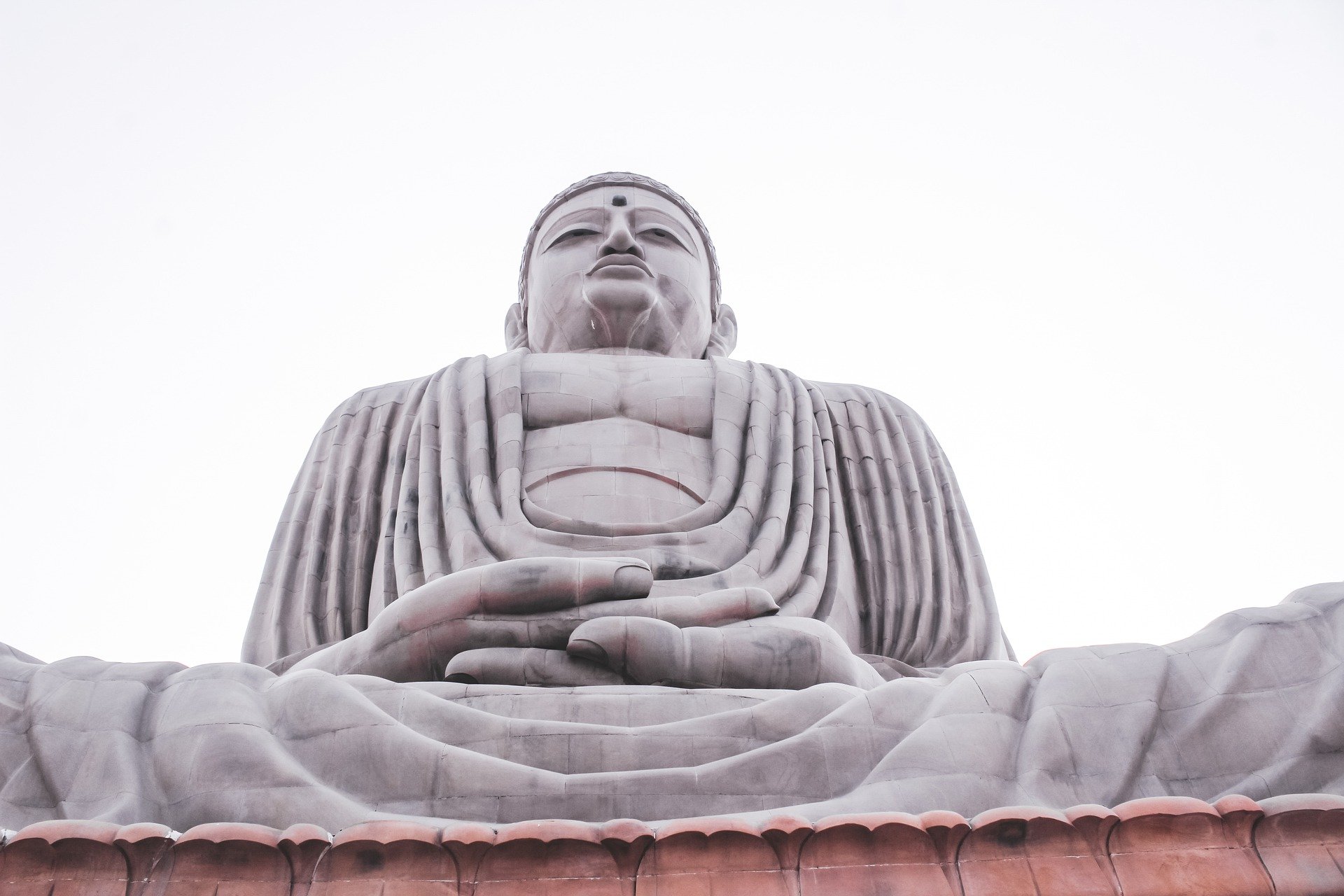
Chinese Buddhism
This part explains the eight schools of Chinese Buddhism.
Introduction to Buddhism
This part gives an overview of Buddhism.

Why is Buddhism not PUA (Pick-Up Artist)?
Buddhism is not PUA because it is open to discussion and debate
What is cognition?
Can AI cognize? No, it cannot

The Introduction to Worldview
Worldview refers to our ideas and cognition of the world. That how we view the world is twofold: what do we use to view and how do we view? They are different. understanding the worldview is a crucial question because it has a tremendous impact on every aspect of our life.

Three Common Worldviews
This part explains the three non-Buddhist worldviews: Materialism, Objective Idealism, Subjective Idealism.

Differences In The Two Observational Methods
Why do we have so many different worldviews today? This has something to do with the different ways we use to observe the world. The East and the West observe the world in different manners and from different perspectives. We thus have different categories of philosophy. They share similarities, while there are huge differences between them.

The Impact of Materialism
Many regard Materialism as the mainstream, correct worldview. However, materialists cannot, both theoretically and in practice, prove their statement of “matter is the fundamental substance of the world in nature, and that spirit is the result of material interactions.” It is just a hypothesis. There has not been a single mathematical formula or physics equation out there that came to the conclusion that the world is made up of matter. This hypothesis cannot be proved by the direct valid cognition.

The Impact of Objective Idealism
Objective materialism does have a positive impact on our life and society. Nonetheless, it can never experience the happiness that emerges from the course of searching for the nature of mind or the ultimate liberation.

Buddhism Is More Than A Spiritual Comfort Zone
Buddhism is more than burning the incense or saying your prayers. You cannot just offer two bananas to the Buddha, and then ask for a luxury car in return; or after you make your offerings, you thought that the undesired would not come to bother you at all; or after you commit sin, you can clear it out just by merely making your confession to the Buddha;
Buddhist Worldview
The Buddhist worldview is multifold. There are the stages of path and the ultimate one, including the Theravada, Cittamatra(the Mind Only), Makhyama (the Middle Way), the Great Completion, and so on.
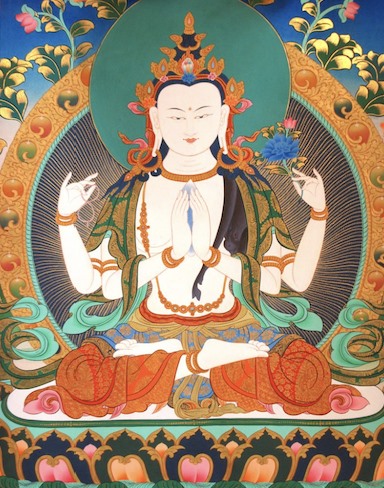
Why are you not created by God? Neither is the world?
Buddhism states that the mind changes as well, so it does not stand up for the tag of "one"; this is exactly why it transforms. This is how Buddhism views the universe. If there is an inherent "one" out there independent of the mind, no matter if it is the spirit or matter, as long as it remains unchanged, there is no way that it could interact with us at all. Logically and cognitively, it does not make any sense.
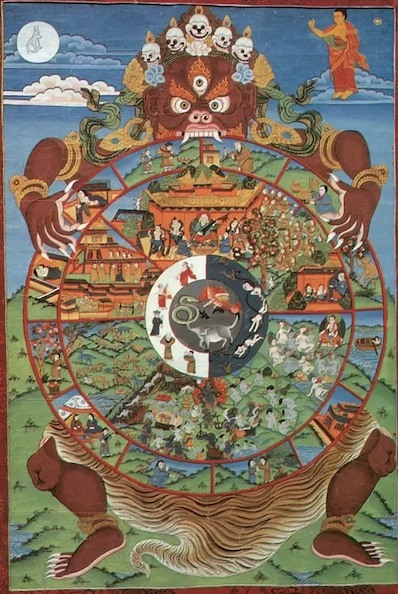
Yes, There Is Rebirth
If one fails to eliminate attachment and ego-clinging and to attain Arahatship, afflictions and habitual tendencies stemming from the notion of "I" and "mine" are connected to the mind that functions at the moment of death, which will inevitably bring forth the mind that causes the next transmigratory existence to happen.
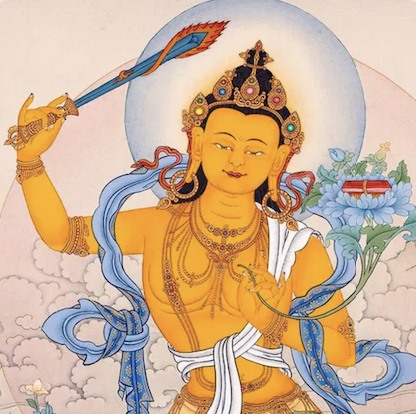
Buddhism Is Not Subjective Idealism
Buddhism cannot be regarded as one of the three categories at all, because they are not inclusive enough. To make a further clarification, Buddhism is not even a religion, nor a science, nor a culture, nor an art, nor a philosophy. It has nothing to do with politics either.
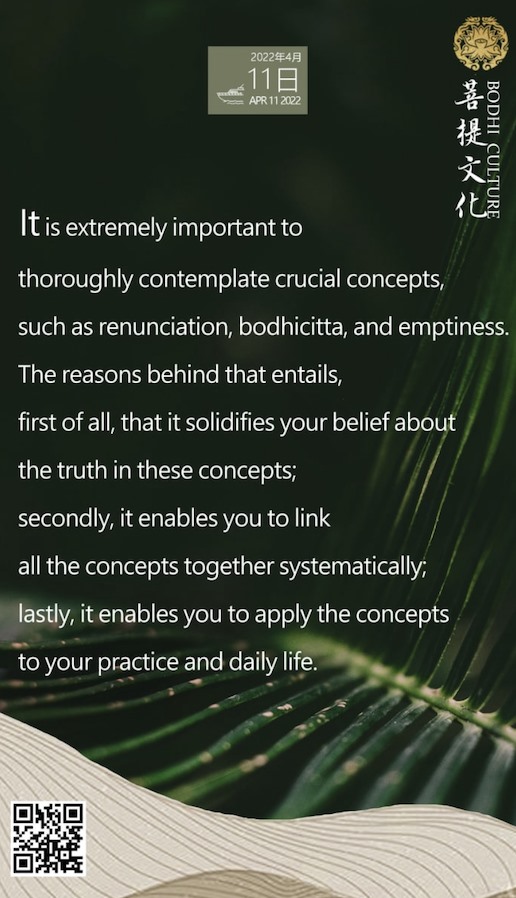
The Importance of Contemplation

Why Does Bodhicitta Seem Ineffective After We Generate It?
The “constancy” of cultivating bodhicitta must last until all sentient beings are liberated. When there are no sentient beings left, bodhisattvas will no longer need bodhicitta. But sentient beings are inexhaustible—therefore, bodhisattvas can never be without bodhicitta.

How Can We Generate Genuine Renunciation (Part Three)?
The maturation of our mental continuum (citta-saṃtāna) also happens through this kind of gradual accumulation. We must continuously stimulate our thinking so that this focal point of reflection remains active and vivid. Only in this way can a genuine state of renunciation gradually take shape.

What should we do when interpersonal conflicts arise during spiritual practice?
When interpersonal conflicts arise within a group—contemplate renunciation in light of right view, observe your own mind, and let go of attachment.

What should we do when there is no Dharma joy in practice?
As for cultivating renunciation, there is no extraordinary secret—just do it again and again. As the saying goes, “If you lie down with dogs, you'll get up with fleas.” Through gradual accumulation, it leads to a profound result. One day, when renunciation becomes the dominant force in your mental continuum, everything will change, and your practice will begin to fall into place.

What should we do when mindfulness (smṛti) is insufficient?
Usually, when we speak of impermanence (anitya), we think of intense suffering such as death. But that is not the whole picture—pleasant and enjoyable things are also inherently impermanent.

How Should We Counteract Doubt in Spiritual Practice?
Of course it does. First, through study and reflection, superstition is dispelled and genuine understanding is established, thereby eliminating preliminary doubt. Second, by relying on spiritual teachers and joining a community of practitioners, and by persevering in practice until direct experience arises, doubts that occur in the course of practice are gradually dissolved.

Why is it so difficult for us to attain enlightenment?
Why was Hui Neng able to attain enlightenment by hearing "the mind should act without any attachments" twice? His spiritual capacity was sufficient. As practitioners, we should follow the path that Hui Neng demonstrated. However, why can't we attain enlightenment just by hearing the same line? The answer is straightforward - we lack the necessary capacity.

A Small Story, a Great Truth,Hold Profound Reverence for the Words “Bodhicitta”
So, although we must distinguish between conceptual bodhicitta and genuine bodhicitta, even if it is “fake,” even if it is merely conceptual bodhicitta (bodhicitta), as Mahāyāna practitioners we have to still hold profoundly deep reverence for the three words“bodhicitta.”
What is the right approach to practicing Buddhadharma?
To approach Buddhadharma safely and effectively, we should start by studying related texts and contemplating what we have learned from them. We can then deepen our understanding through meditative practice, both on the cushion and in daily life.

Do we truly have renunciation?
Many people who study Buddhism remain full of sorrow, pain, and anxiety. If you examine yourself deeply, down to the core, most of this is because there is no renunciation. Many people blame their Guru for not giving pith instructions or methods, but in fact, the Guru has already given everything.
The Reasons Why Genuine Renunciation Fails to Arise (Part one)
There are several levels from which we can examine why genuine renunciation (nekkhamma) fails to arise. The most obvious and superficial reason is that our perception of suffering is insufficient—that is, the suffering doesn’t feel intense enough.

How do we achieve awakening?
Finally, we must engage in meditative practice to actualize our understanding. We must cultivate single-pointed concentration and use specific methods to generate insight into the nature of reality. It is only through this process of study, contemplation, and meditative practice that we can gain an experiential understanding of Emptiness and achieve awakening.

What to Do When Jealousy Arises?
Why Are We Prone to Jealousy? Because our minds are constantly preoccupied with our own interests, which we take as the guiding principle of life. The root cause lies in a strong attachment to self, in cherishing the self above all.

The Act of Giving: To Give Is to Gain
In spiritual practice, when we recognize a strong miserly tendency within ourselves, we must consciously cultivate the habit of generosity. Practitioners should learn to offer generously to one another—sharing the best of what we have.

Suffering helps us give rise to renunciation
As for us, our sense of suffering is severely insufficient and extremely limited. In fact, our minds are filled with attachments of this kind. Because of this, we can not give rise to genuine renunciation; our renunciation is largely pretense.

The Consequences of Lacking Genuine Renunciation (nekkhamma)
If there is no renunciation , our body and mind will become completely entangled in worldly dharmas (laukika-dharma). Unknowingly, even our spiritual practice can turn into something we cling to. It becomes a weapon that reinforces our own saṃsāra, a form of arrogance: “Look, I understand the Buddha dharma—impressive, right?”

Are You Accumulating Merit the Wrong Way Too?
If you do not accumulate merit, there is simply no way to carry out genuine practice. Your mind unconsciously keeps reinforcing this sense of “I” as an individual, and may even use so-called “merit” to armor and protect it. Practicing in this way, you will never experience the Dharma-nature of selflessness (dharmatā), and liberation will remain forever out of reach.

Why Are We Unable to Establish Stable Meditative Concentration? (Part 2)
Even those who seek worldly merit should not cling to such meaningless disputes—how much more so for those who seek liberation? The very purpose of Buddhist practice is to relinquish all that is clung to by the self, and ultimately to recognize that such self does not exist at all. Given this, why should we bother calculating and arguing over worldly interests?
What are the different stages of meditation?
With consistent long-term practice, you will naturally progress through different stages of meditation, collectively known as the nine meditatitve absorptions.

Are all thoughts bad? How can we use thoughts to practice?
However, even with the cessation of the six senses, the inner awareness, often called "inner luminosity," will never vanish.

Can we really describe all our supernatural powers?
Human language simply cannot capture the complexities of time, space, and phenomena that divine perception can access. Our words are limited by our senses; we label things based on what we perceive, not the full reality that divine powers might glimpse.

Expressions of States: The Culmination of Practice
Why is awakening said to be inconceivable and beyond the reach of consciousness and sensation? Because states are non-conceptual and not based on feelings. Thoughts change, and feelings vanish.

The Importance of Teachers in Buddhist Practice
Close followers of a guru may receive pith instructions directly from the guru without studying many theories, but it doesn't mean that just receiving the pith instructions alone will work for them. It requires careful analysis and experience, as well as frequent communication with the guru.
The Gap Between Aspiration and Action on the Buddhist Path
Initially, we study the texts and contemplate their meaning with discipline, developing the foundation for cultivating the mind of renunciation and Bodhicitta. The cultivation of renunciation and Bodhicitta should be integrated into both meditation and post-meditation sessions. After finishing our meditation practice, we must bring the practice of renunciation and Bodhicitta into our daily life, minimizing the gap between the two sessions until they eventually become one.

How to Achieve The Three Principal Aspects of the Dharma Path?
As lay practitioners, if we focus on the three principal aspects of the path, we have the potential to achieve awakening within this lifetime. By cultivating Renunciation and Bodhicitta, we establish a strong foundation that allows us to wholeheartedly study and practice the Correct View of Emptiness. This, in turn, increases our chances of awakening.

The Four Stages of Madhyamaka(Part four)
The fourth stage regards free of mental fabrications as equipoise-nature, which refers to the oneness of the mind's true nature and the phenomena arising from the mind ––– Emptiness and luminosity. The phenomena arising from the mind refer to things we see, hear, and feel. All of them are emptiness and luminosity.
The Four Stages of Madhyamaka(Part three)
The third stage considers dependent origination as the absence of mental fabrications. What does the absence of mental fabrications mean? It means that the authentic experience of Emptiness is not gained through mental conceptualizations or feelings, but rather through a true, direct, and distinct understanding of Emptiness.
The Four Stages of Madhyamaka(Part two)
The second stage is to consider emptiness as all phenomena. That is, emptiness is form.

The Four Stages of Madhyamaka(Part one)
The first stage involves considering all phenomena as empty in nature. That is, Form is Emptiness.
The common mistakes in spiritual practice (Part three)
What is the cause of this issue? An experienced instructor is lacking. Without the necessary instructions provided by an instructor, practitioners cannot bridge the theory and practice of Buddhadharma alone, which is truly a significant issue.

The common mistakes in spiritual practice (Part two)
Many practitioners strive to achieve awakening or enlightenment in one lifetime, but they must realize that sitting on a cushion to meditate alone is not enough. If a person frequently enters the stages of Joy, Clearness, and No Discursive Thoughts through meditation, it could be a sign that they may easily be reborn in the realm of heaven or the realm of the long-lived god.
The common mistakes in spiritual practice (Part one)
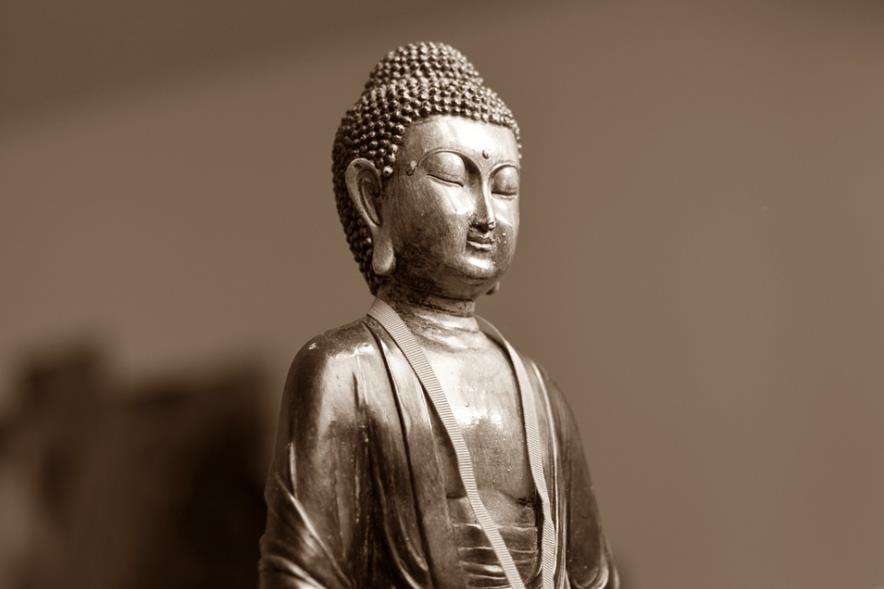
Without taming our minds to be gentle and open, we cannot experience the true taste of a tamed mind or eventually become a Bodhisattva. We will have no chance to reach the path of accumulation, one of the five paths of practicing Buddhadharma: the path of accumulation, the path of joining, the path of seeing, the path of meditation, and the path of no-more-learning.

How Chan Buddhism Points Directly to Mind Nature?
Hui Neng's famous five sentences express that the nature of the mind is without inherent self-nature, while simultaneously producing all phenomena without movement. Luminosity, which lacks inherent existence, is also empty, thus demonstrating the Inseparability of Luminosity and Emptiness.

Why the Practice of Nadis, Pranas, and Bindus Is Not for Everyone?
The practice of Nadis, Pranas, and Bindus is a pathway to profound joy for those who pursue it. With diligent effort and practice, practitioners can experience an inexplicable sense of happiness and even develop extraordinary abilities beyond imagination.

Why Is Practice More Important Than Buddhist Terminology?
It's not necessary for beginners to know everything about Buddhism. We don't need to become great Buddhist educators responsible for promoting Buddhism, but we should have a good foundation of knowledge to make our teachings grounded, reasonable, and acceptable.

Paths to Liberation for Lay Practitioners
To achieve realization, Kenpo Tsultrim Lodro, a great master in Tibetan Buddhism, identifies three ways: the practice of Madhyamaka taught in the Sutric tradition, the practice of Nadis, Pranas, and Bindus taught in the Tantric tradition, and the practice of Mahamudra or Dzogchen.

Why Practice Expressions Must Be Treated with Caution?
Since the content expressed in the language of practice is related to personal experiences and states of realization, speakers must be thorough and careful in their descriptions. They should provide detailed explanations to avoid misunderstandings and misleading their audience.

Expressions of Practice
During spiritual practice, students will habitualize themselves to corresponding views and methods, resulting in corresponding insights, experiences, and states of realization. Expressing these is what we call "expressions of practice."

One Expression, Three Meanings: View, Practice, and State
We vow to benefit all sentient beings, willing to sacrifice ourselves for them if necessary. Even thinking this way is quite noble, regardless of whether we can actually do it. At least we have the view, even if we lack the state.

From Study and Contemplation to Practice and Realization
Overall, Buddhist practice involves first establishing views through study and contemplation, then transforming these into practice through dedicated methods and techniques, and finally achieving states.

The Inconceivable Benefits of Prayer
The nature of the mind is this: whatever your mind is like, that is how you are. If the mind is joyful, you are joyful; if the mind is entangled, you are entangled. Wherever there is attachment, there is entanglement. If you wish to obtain the merit of the Dharma, your mind must be free, open, full, and joyful.

Same Words, Different Meanings: The Fluidity of View, Practice, and State
It's not that certain expressions can only be views, others only practice, and others only states. Any language can change meaning in different scenarios, contexts, and cultural backgrounds.

How to Give Rise to Genuine Renunciation (1)?
In short, to give rise to genuine renunciation, one must rely on long-term hearing, reflection, and practice to cultivate three correct core views.

How to Give Rise to Genuine Renunciation (3)?
Only by doing this over the long term will you gradually come to understand the importance of practice, what life should be used for, and what this world is really about.
How to Give Rise to Genuine Renunciation (2)?
Once a correct worldview is strong enough, our emotional side will naturally give rise at least to the experience of mere emptiness. We will genuinely feel that this world is illusory. Directly perceiving and experiencing this world as illusory—this is precisely what is meant by mere emptiness.

From View to Realization: Expressions of Cognition in Buddhist Practice
Given the vast range of expressive elements in Buddhism, we can categorize them into seven key types:1. Direct Perception 2. Views 3. Experiences 4. Practice 5. Insights 6. Enlightenment 7. States of Realization

Can Spiritual Practice Overcome Illness and Attachment?
If we truly master our minds, dealing with illnesses should be an easy job.

If one realizes one’s true nature, is deep samadhi still necessary?
So, is deep samadhi necessary to recognize one’s true nature? It’s hard to say whether it’s necessary or not, but if you maintain the realization of Dzogchen, you will understand all forms of samadhi.
Illusion and Non-Valid Cognition in Mental Awareness
Mental cognition regards the external environment as merely a product of the mind’s discrimination, all of which are illusory, without absolute reality or falsehood.

What is ultimate cognition? How can ultimate cognition be achieved?
In ultimate cognition, it is believed that recognizing one’s own essence is ultimate, and this essence is inherently empty.

What would happen if the visualizer and the visualized are always different?
The “knowing” of thoughts is the cognizer, and the thoughts themselves are the cognized. Thus, the sameness or difference between the cognizer and the cognized creates the diversity in cognition.
Why are insights so important in meditation ?
Correct views and practices are fundamental in determining the accuracy of cognition and cognitive conclusions, underscoring the importance of study, contemplation, and meditative practice.

What’s "meditative-induced forms"?
In Yogachara (Consciousness-Only) theory, the forms seen in samadhi are called "meditative-induced forms."
What is the difference between meditative concentration and insight meditation?
Therefore, meditative concentration and insight meditation are distinct practices. The latter refers to the insights or views employed during meditation.

What are the results of meditation with insight?
When insight is integrated with meditative concentration, it allows mental consciousness to form an insightful understanding of the external world. The degree to which these two practices are integrated can determine the difference in perception, ranging from inferential to invalid to direct valid.

Can superpowers really be generated through meditation?
What does it mean for changes to occur in the cognitive organs? It refers to the development of superpowers, such as clairvoyance, clairaudience, telepathy, and retrocognition.
What is stillness?
In simpler terms, meditative concentration fosters a deeper understanding of the world around us, one that transcends our typical sensory experiences.

Insight is especially important in meditation
While these superpowers already extend beyond the realm of human technology, they cannot compare to the various divine powers that arise from a high level of samadhi, nor can they produce super-cognitive abilities like the perception of pure land.

How should we practice in the present moment?
Instead, our primary focus is on gradual cultivation, a process of accumulating insights that lead to heightened spiritual experiences. Through extensive meditation, these experiences gradually evolve into relatively stable states. These stable states are then dismantled one by one, ultimately leading to no more stage.

Problems encountered during a seven-day meditation retreat and their solutions
When you feel uncomfortable while meditating,what should you do? The key is to learn to adjust by taking a break and relaxing

What is our practice about?
Dzogche says: “All experiences and feelings will vanish like clouds drifting across the sky,” leaving behind only the pure awareness of the mind. Seeing it is what we call realization or awakening.

How Is Inner Quality Developed Through Practice?
With the continued cultivation of bodhicitta, one gradually discovers oneself becoming gentler, and both body and mind grow more supple and open. As a result, one quickly accumulates merit and purifies obscurations, and one’s practice advances accordingly.

How can we expand sensory perception through technology?
Humans have expanded the range of their sensory perception through the use of physical tools brought forth by the development of scientific technology, such as telescopes, microscopes, sonar, and so on.

Four Stages of Madhyamaka Practice
The First Stage: Consider All Phenomena are Empty in Nature The Second Stage: Consider Emptiness is Phenomena The Third Stage: Considers Dependent Origination as the Absence of Mental Fabrications The Fourth Stage: Consider Free of Mental Fabrications as Equipoise-nature
The key to Dzogchen practice is “doing nothing”
The practice of Dzogchen is like this. You do nothing, but you will never make any mistakes. This is called "effortless enlightenment."

Three Principal Aspects of the Path
This part explains the three key elements, Renunciation, Bodhicitta, and Emptiness, needed for pursuing the Buddhist path.
The Roadmap of the Buddhist Path
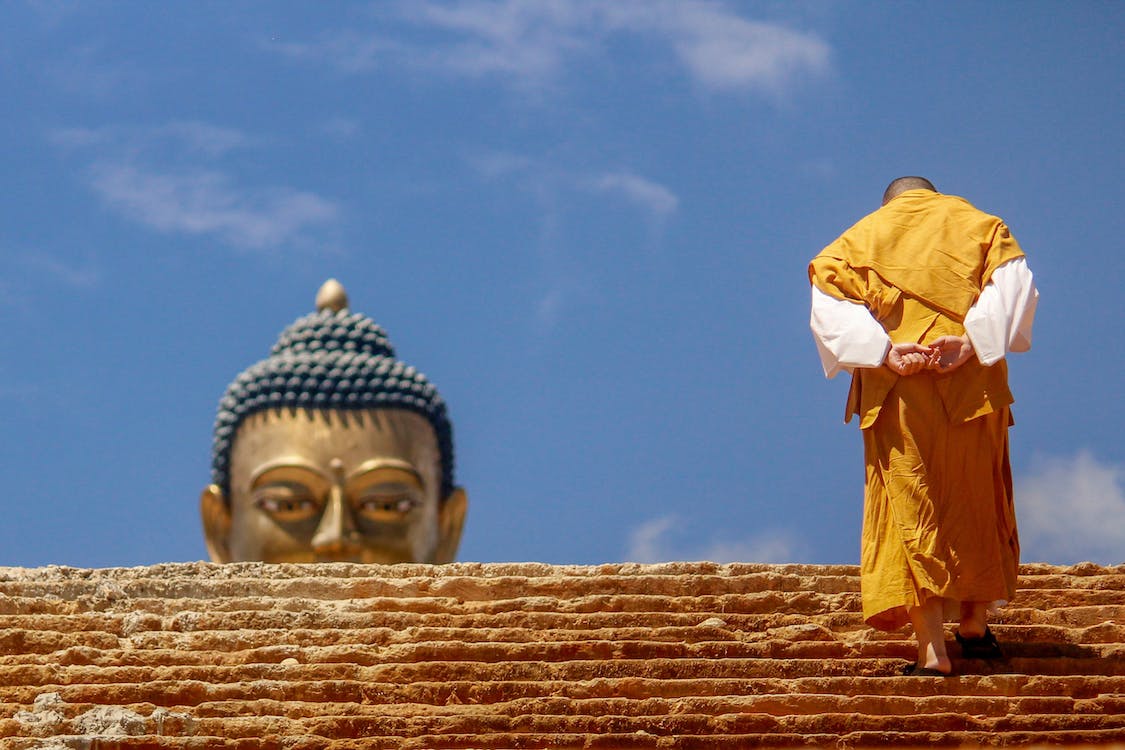
This part explains how to begin the Buddhist path to liberation and Buddhahood.
The Song of Sadness
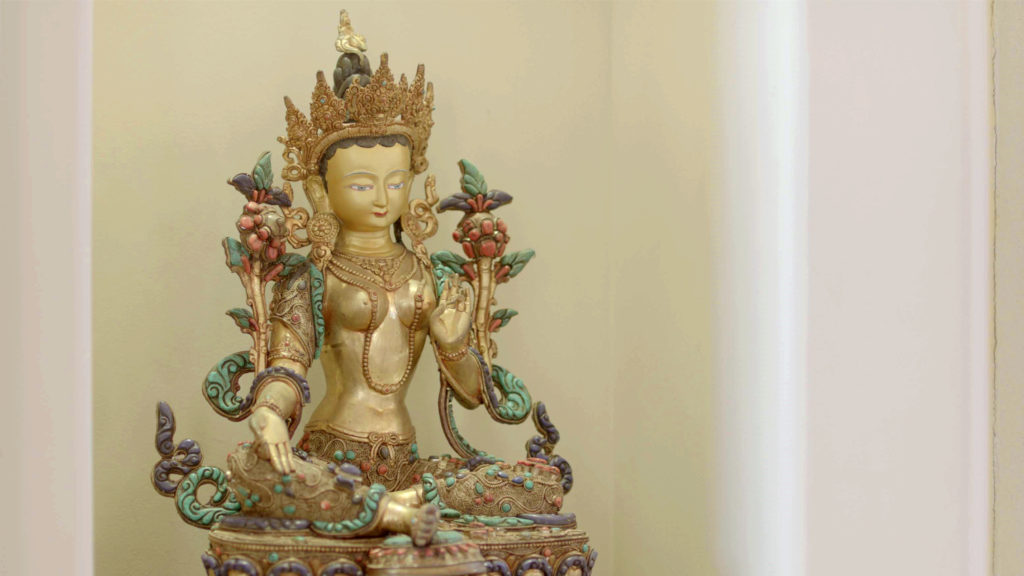
O Three Roots, Buddhas, and Bodhisattvas, we implore you: cast your gaze upon us

How does cognition help our spiritual practice?
In everyday practice, you're essentially honing your cognitive abilities.
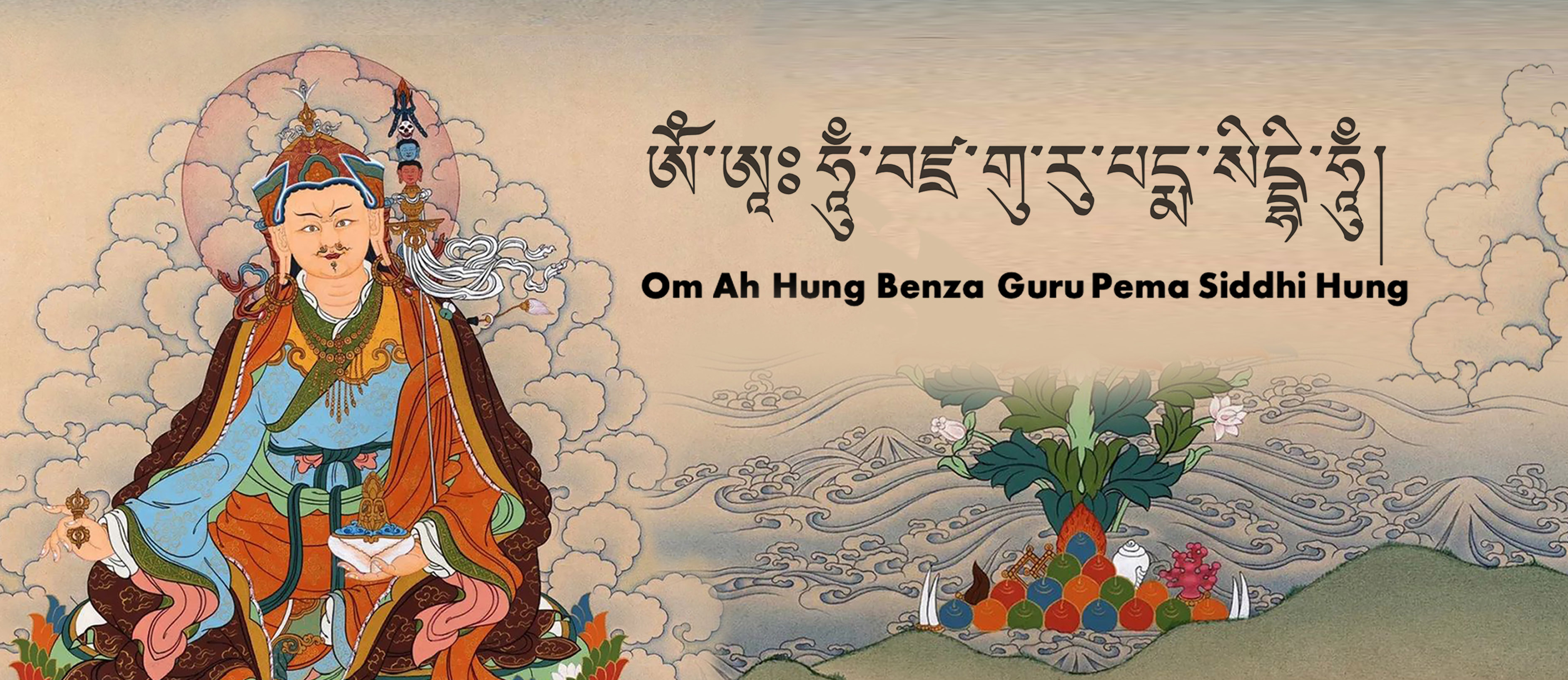
Let's Recite the Guru Padmasambhawa's Mantra Together
ཨོཾ་ཨཱཿཧཱུྃ་བཛྲ་གུ་རུ་པདྨ་སིདྡྷི་ཧཱུྃ། Om Ah Hung Benza Guru Pema Siddhi Hung
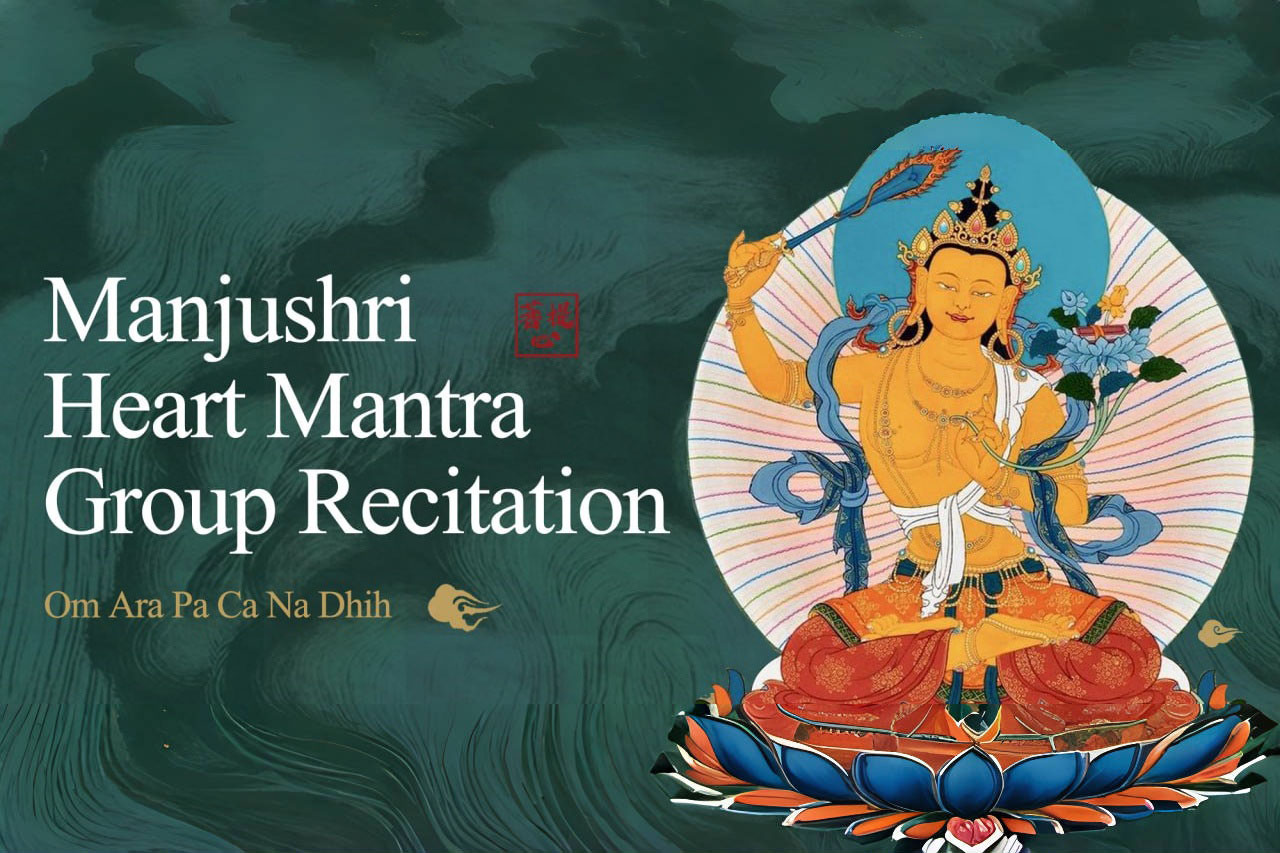
Manjushri Heart Mantra Group Recitation
We respectfully invite all fellow practitioners to join in the group recitation of the Manjushri Heart Mantra.

The Merits and Benefits of Prostrations

Ornament of the Thought of Nagarjuna Clarifying the Core of Madhyamaka
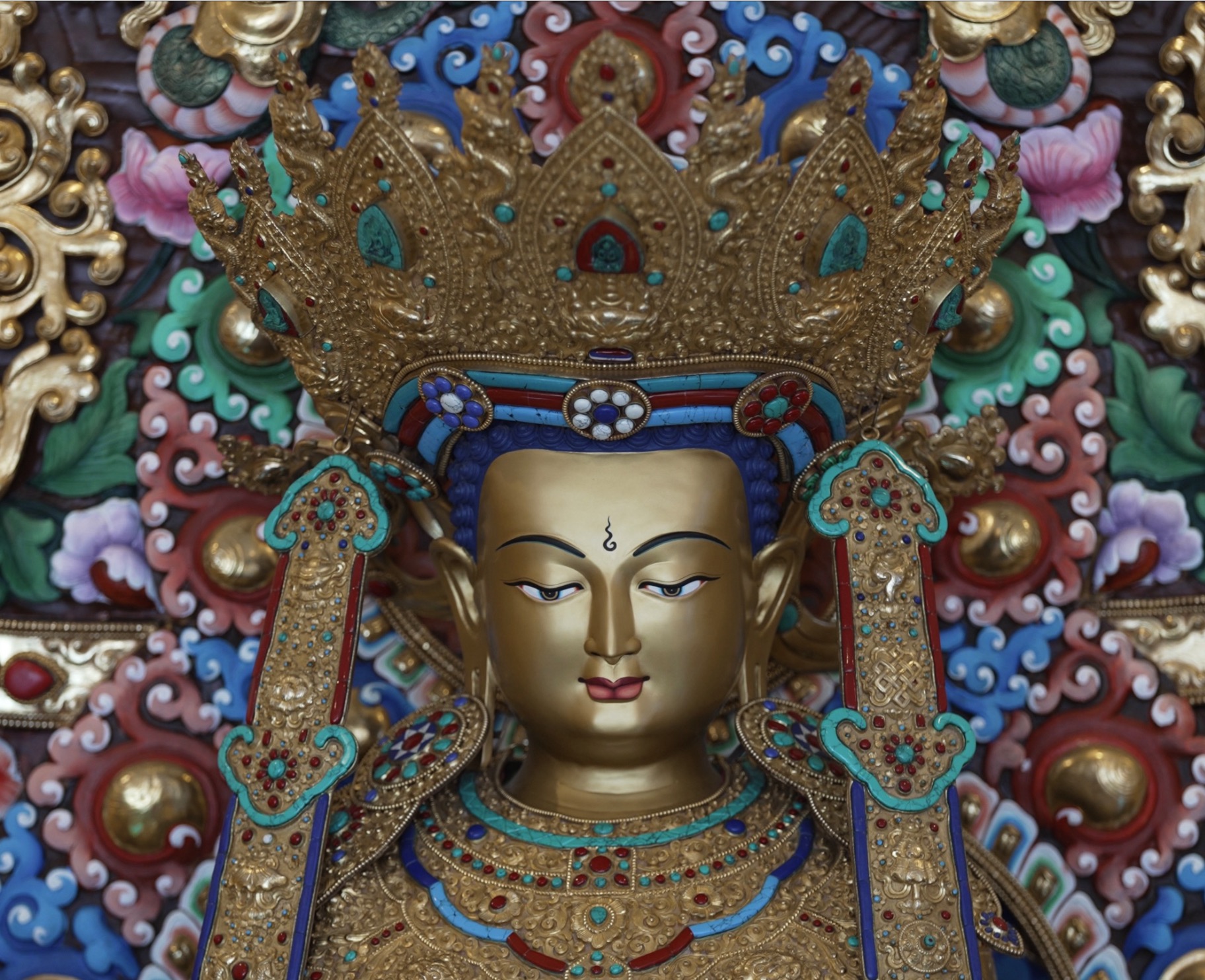
Song of Happiness
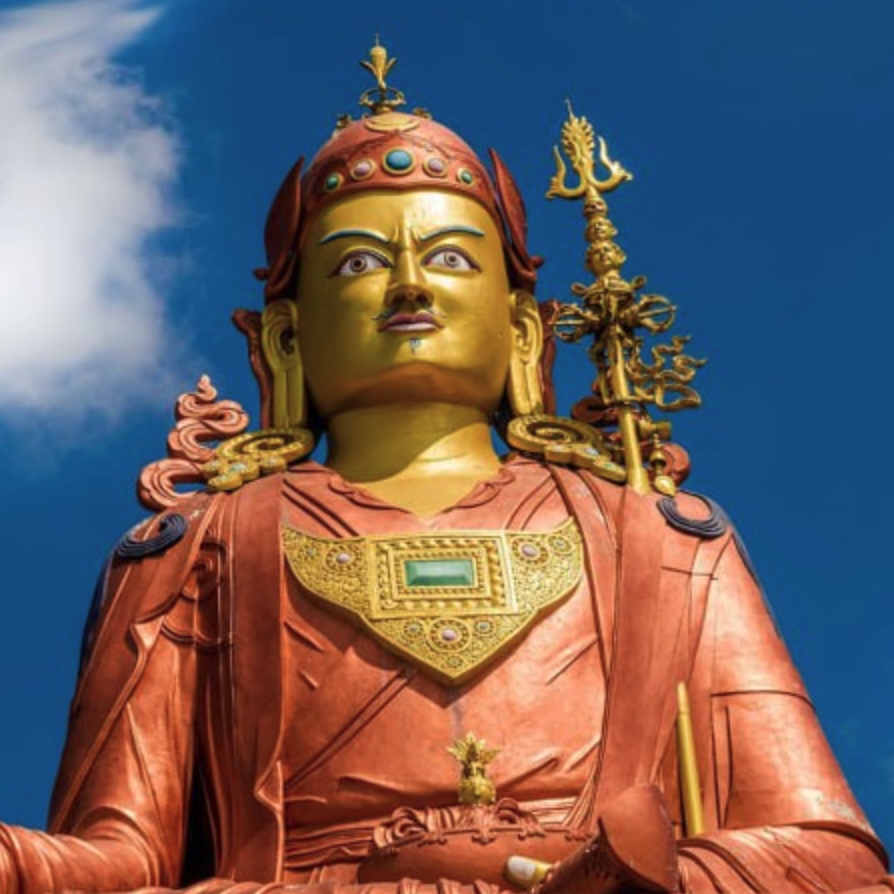
Guru Padmasambhawa Mantra Group Practice
The Nagarjuna Cultural Center Initiative is a call for all fellow practitioners to join together in reciting the Guru Padmasambhava Mantra.
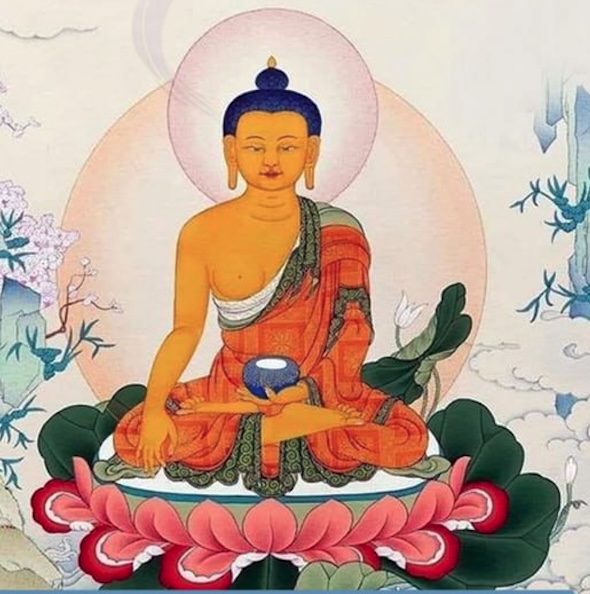
Amituofo Group Practice
The Nagarjuna Cultural Center Initiative is a call for all fellow practitioners to join together in reciting the name of Amitabha Buddha.
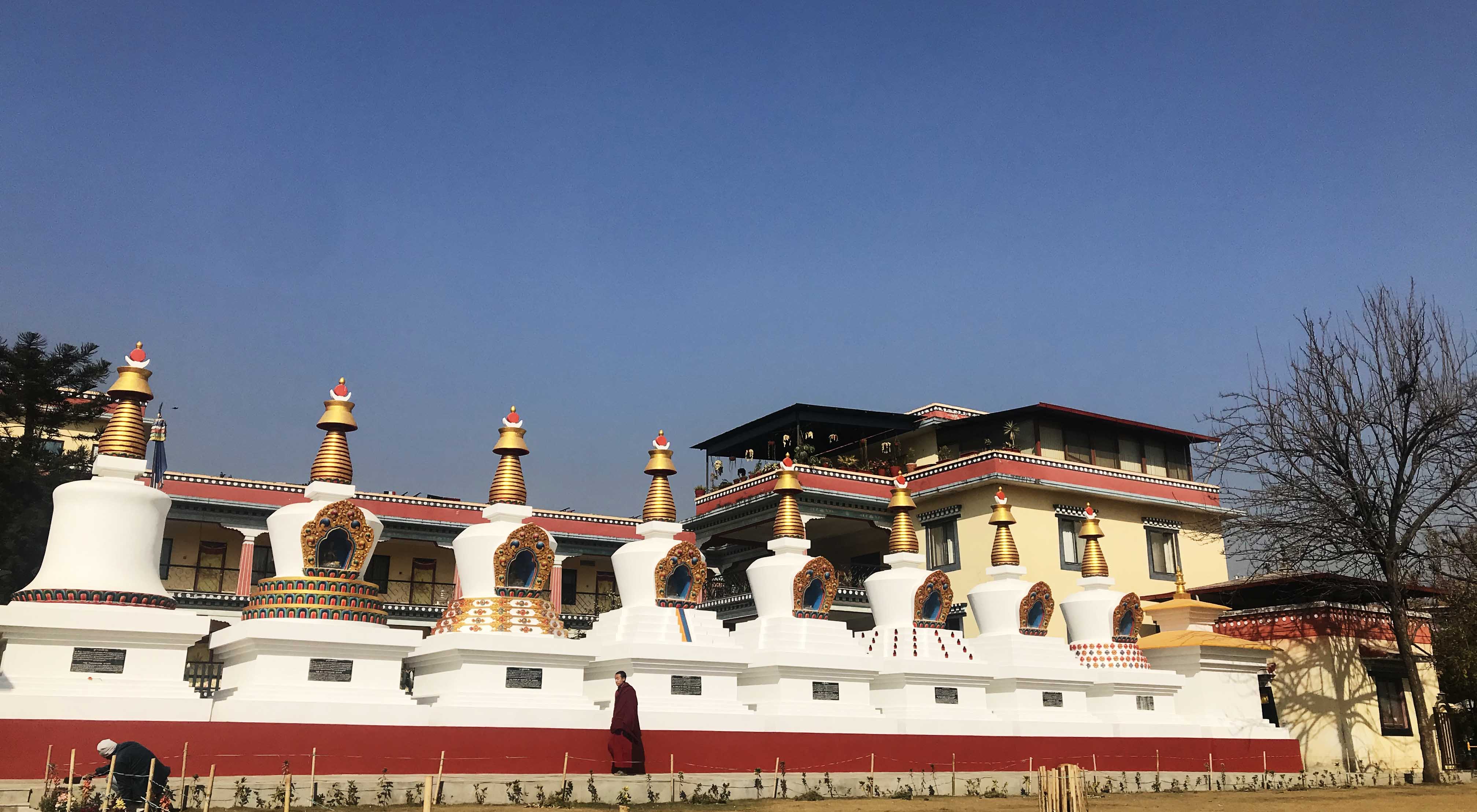
Volunteer Work

Threefold Excellence -Mantra for Multiplying the Power of Recitation
Threefold Excellence -Taking Refuge and Generating Bodhicitta

Threefold Excellence -Dedication
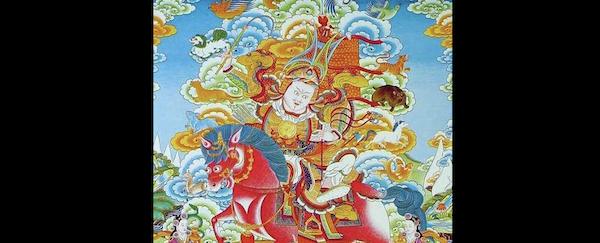
Dharm Protector -The Prayer and Offering to Gesar
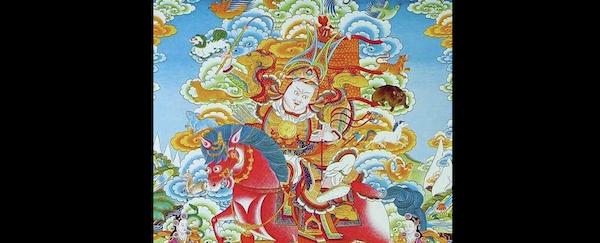
Dharm Protector -Brief Offering Prayer to Gesar
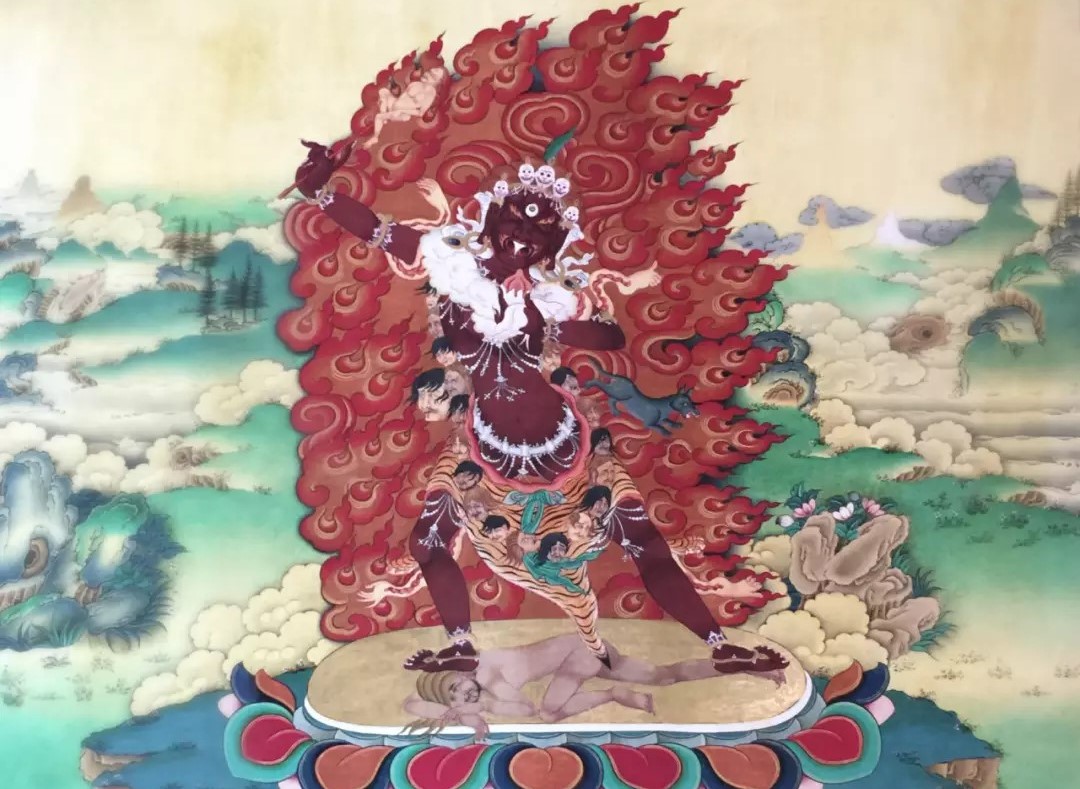
Dharm Protector -The Prayer and Offering to Ekajaṭī
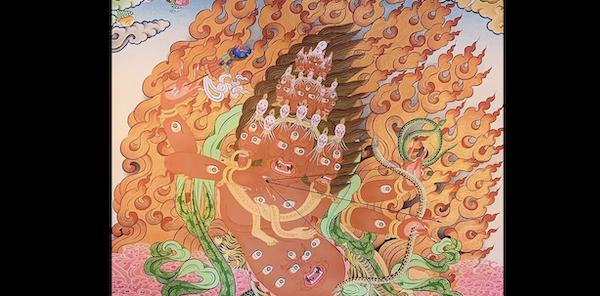
Dharm Protector -Brief Offering Prayer to Rahula
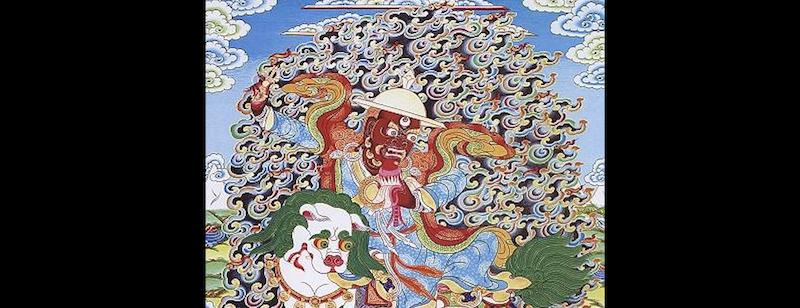
Dharm Protector -Brief Offering Prayer to the Oath-Bound Vajrasādhu

Dharm Protector -Brief Offering Prayer to Tsiu Marpo
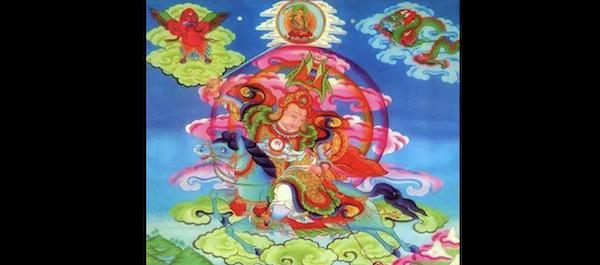
Dharm Protector -Brief Offering Prayer to Yuö Bummé
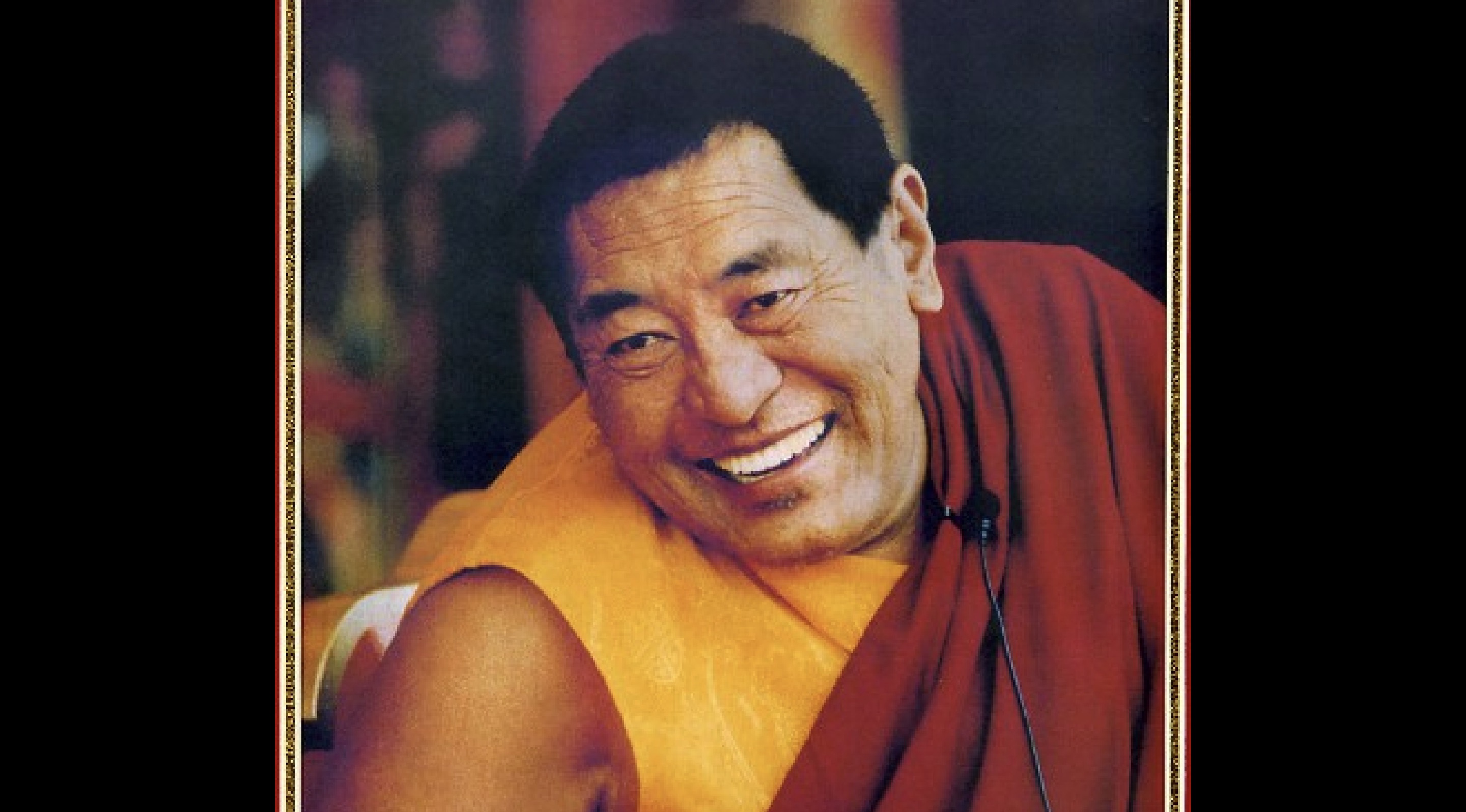
Aspiration to be Cared For in Every Lifetime

The Call Of Victory
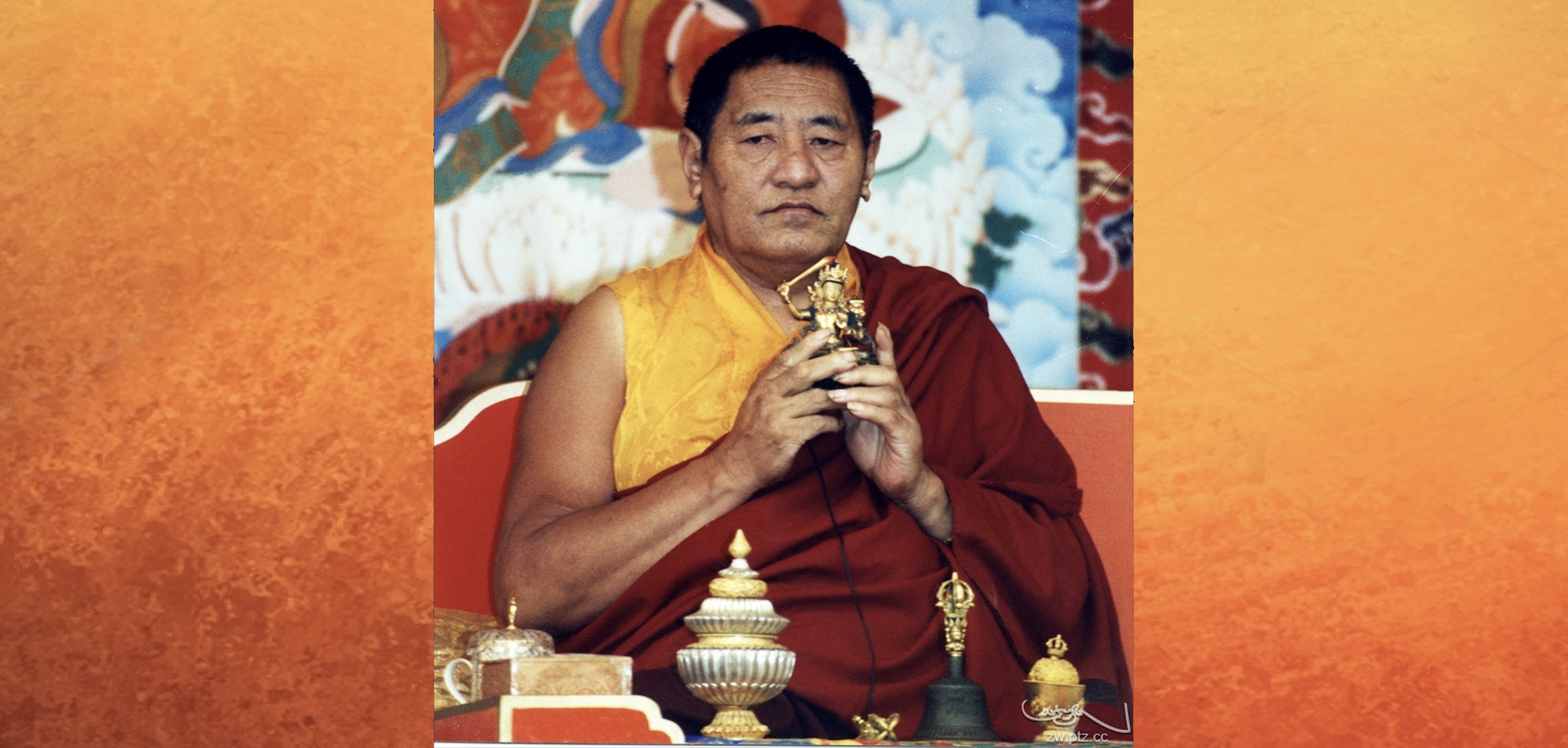
Wang Dü: The Great Cloud of Blessings Chinese Version
The Aspiration for Pure Land
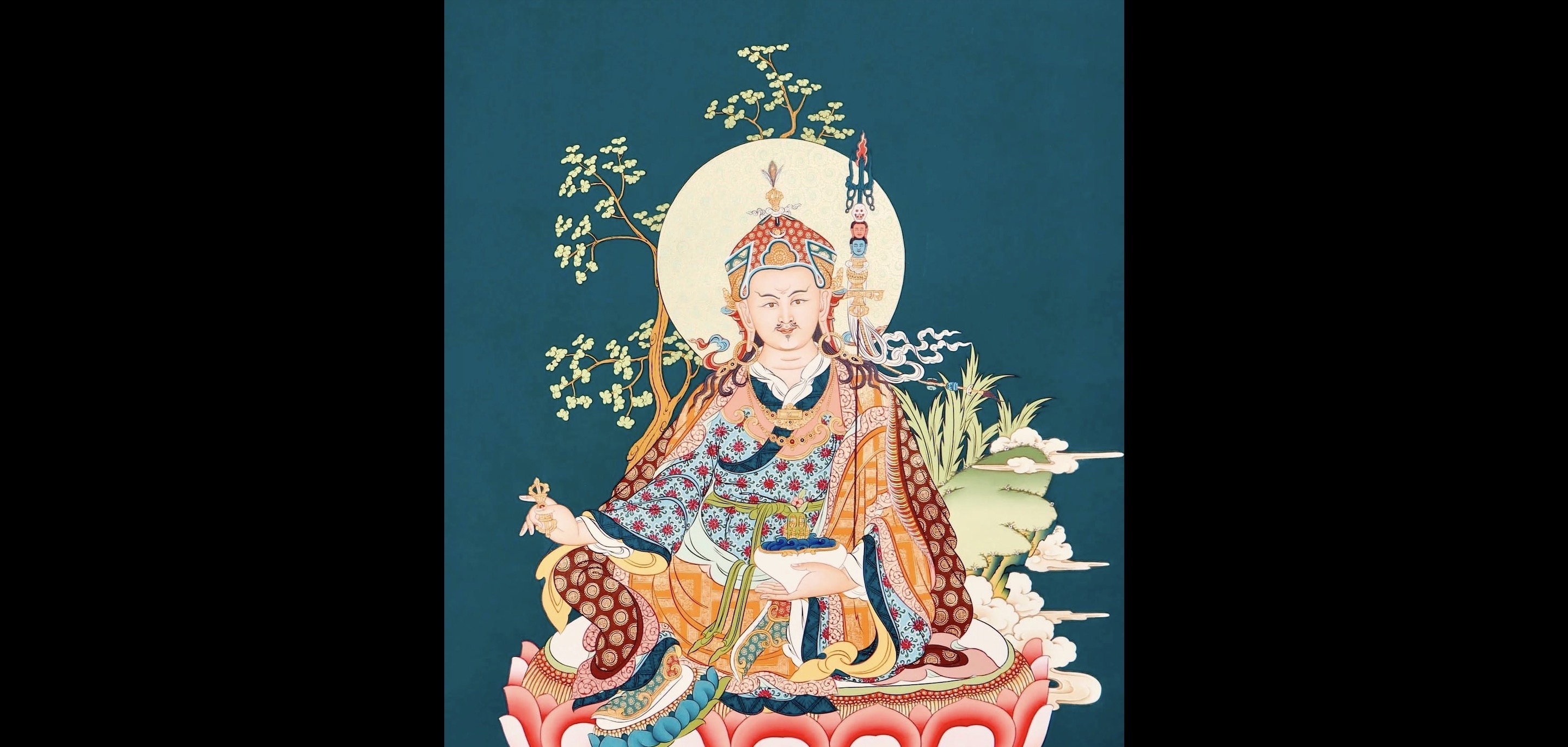
The Prayer which is the Source of All True Realization
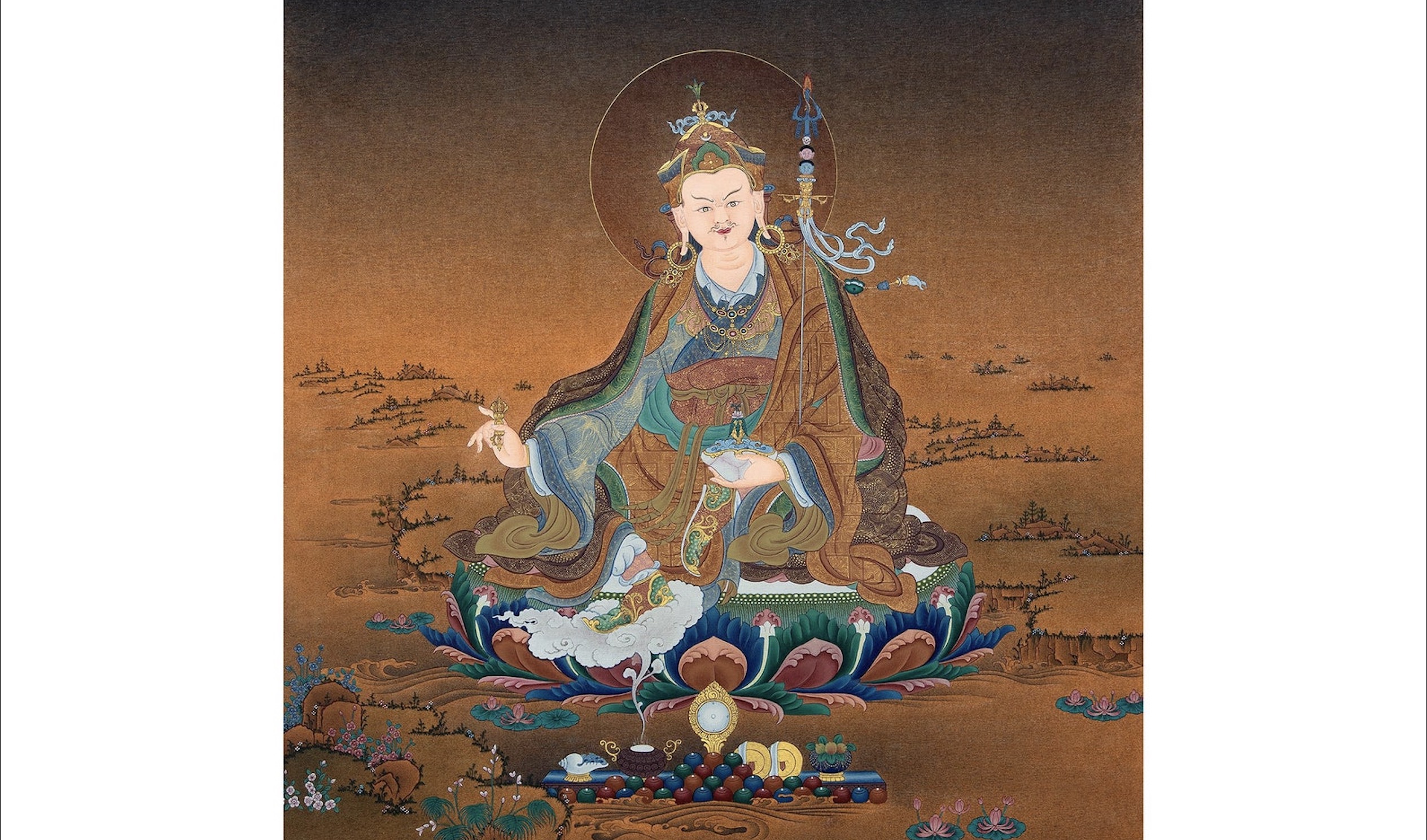
Prayer for Spread of Nyingma Tradition
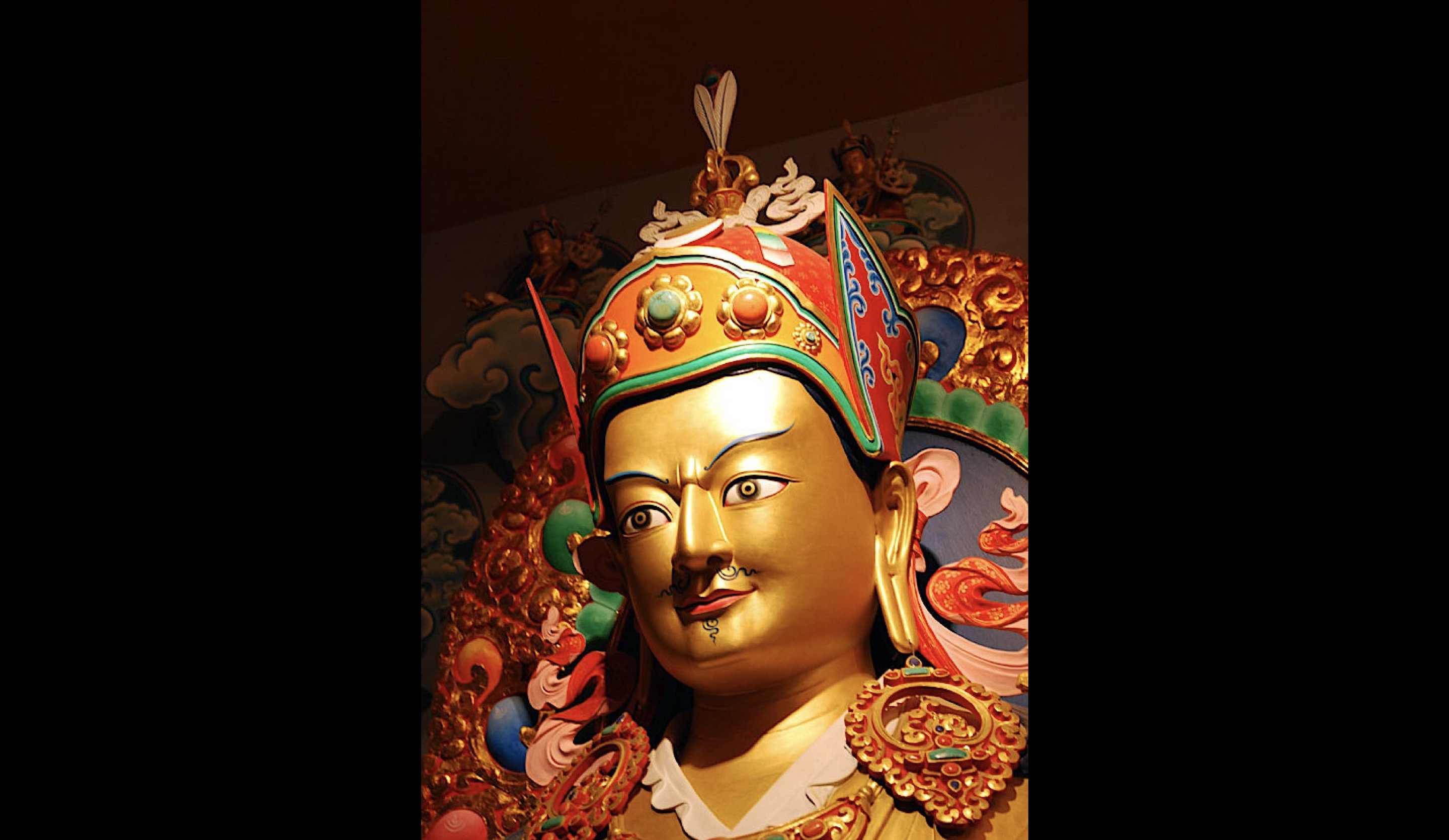
The Prayer to Guru Rinpoche for Attainments

The Seven Line Prayer to Guru Rinpoche
Wang Dü: ‘The Great Cloud of Blessings’ Tibetan Version